
Last updated September 24, 2026
Free in-home measure and quote - PGT, CGI and CWS impact lines compared on your actual openings, style by style
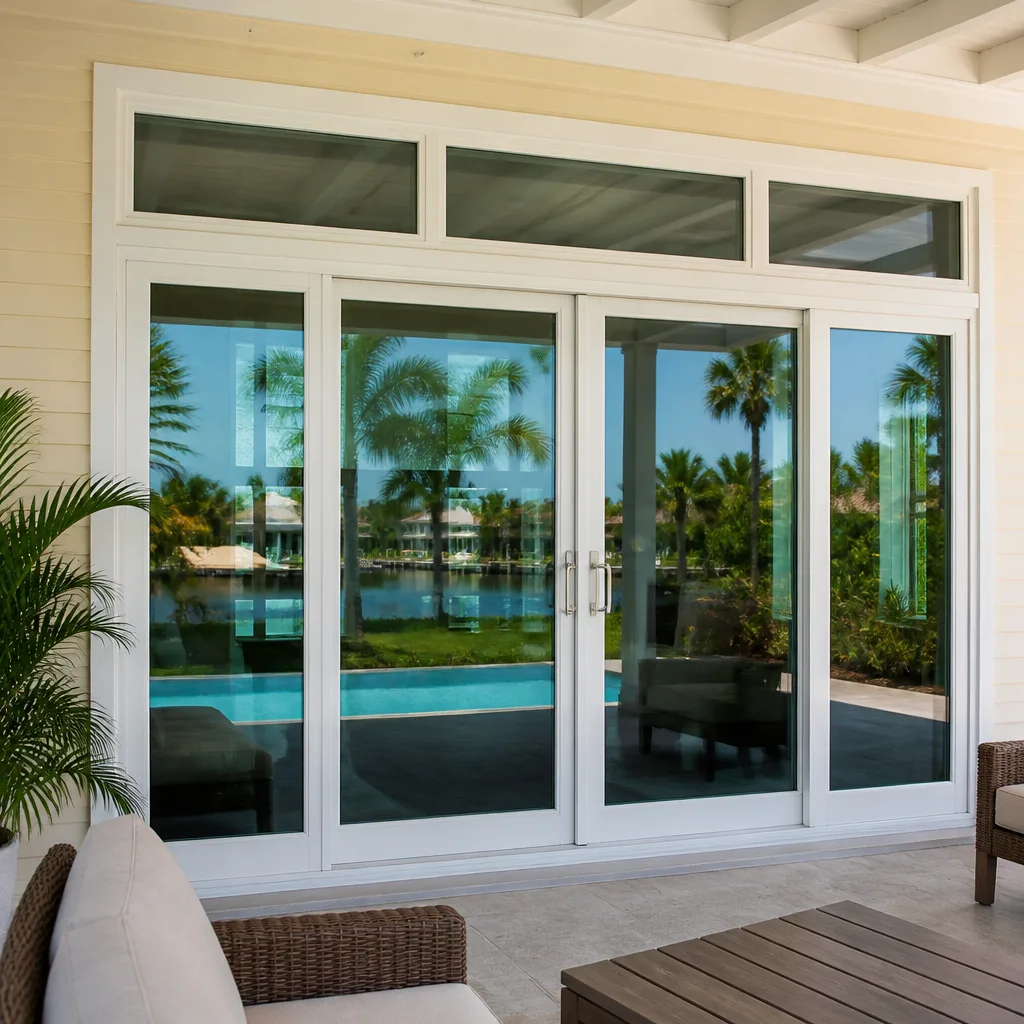
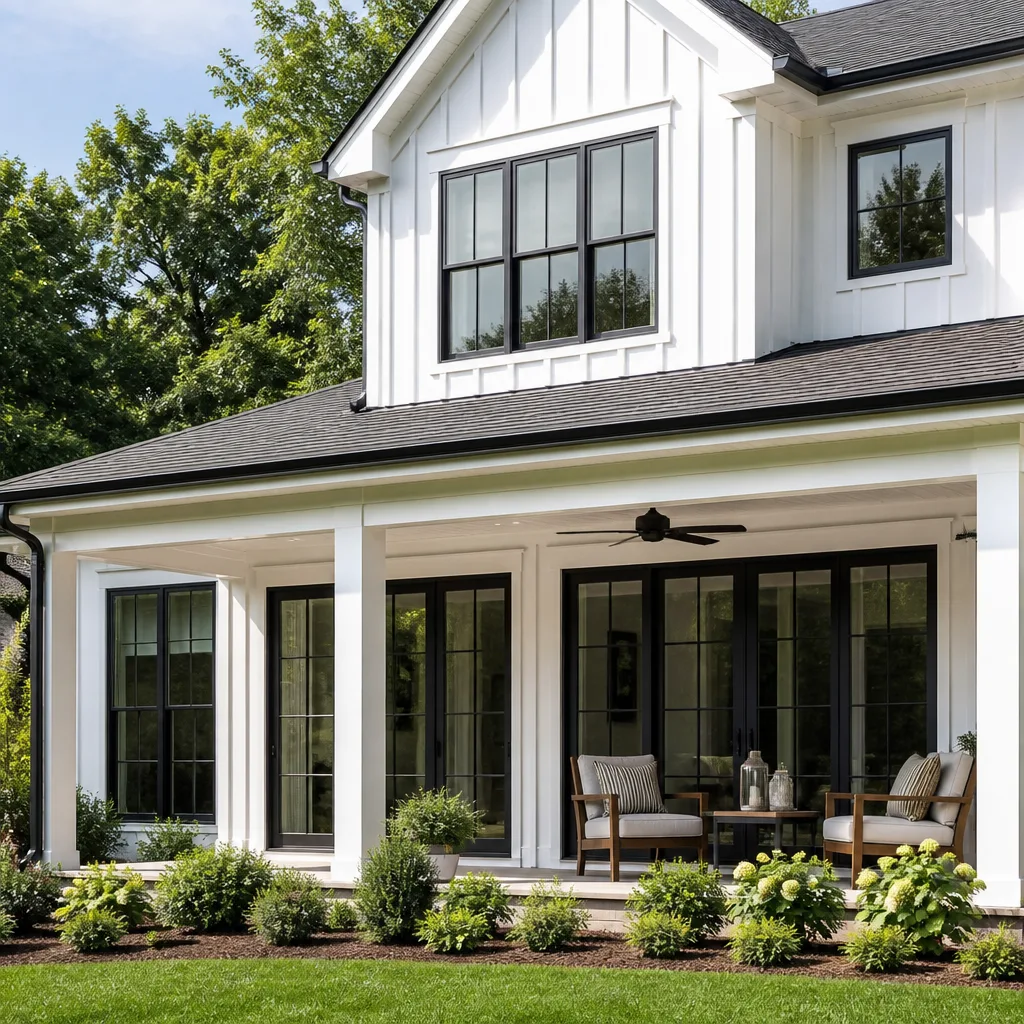
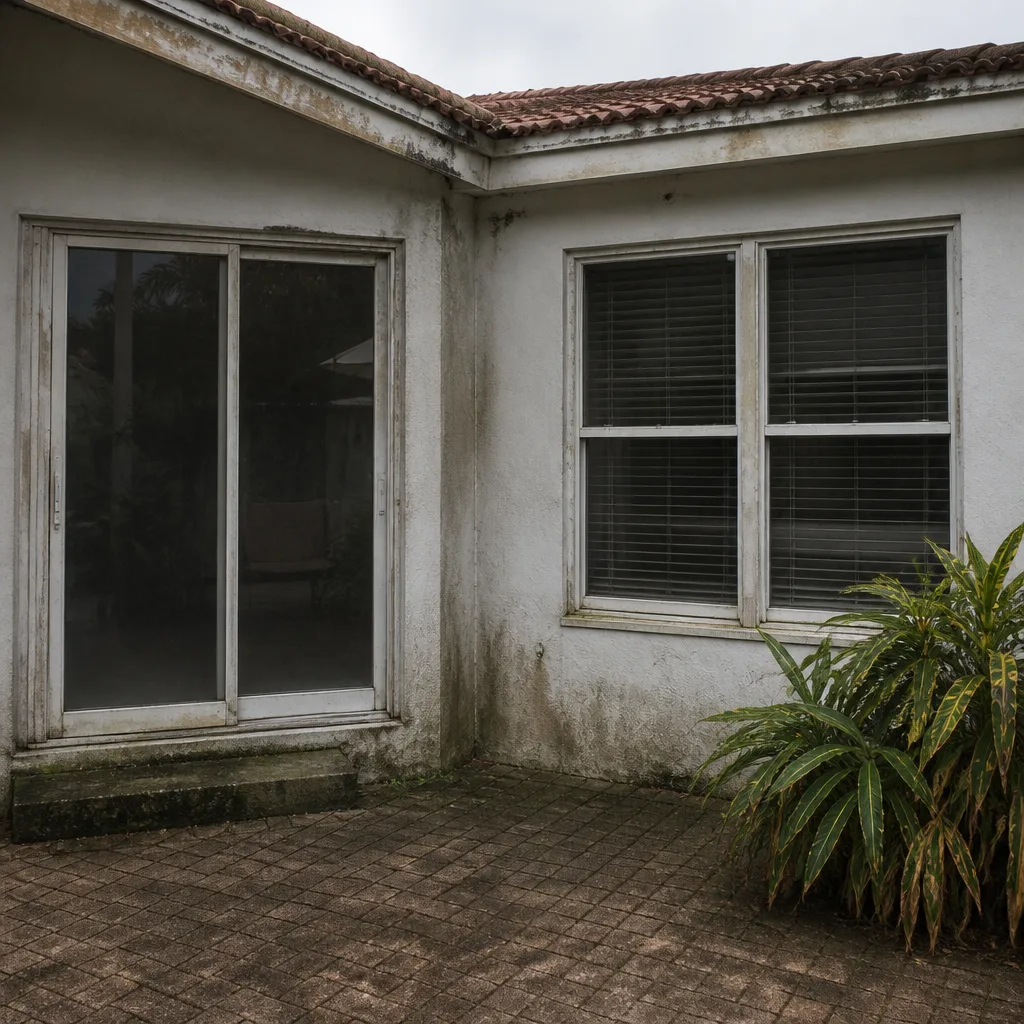 Before
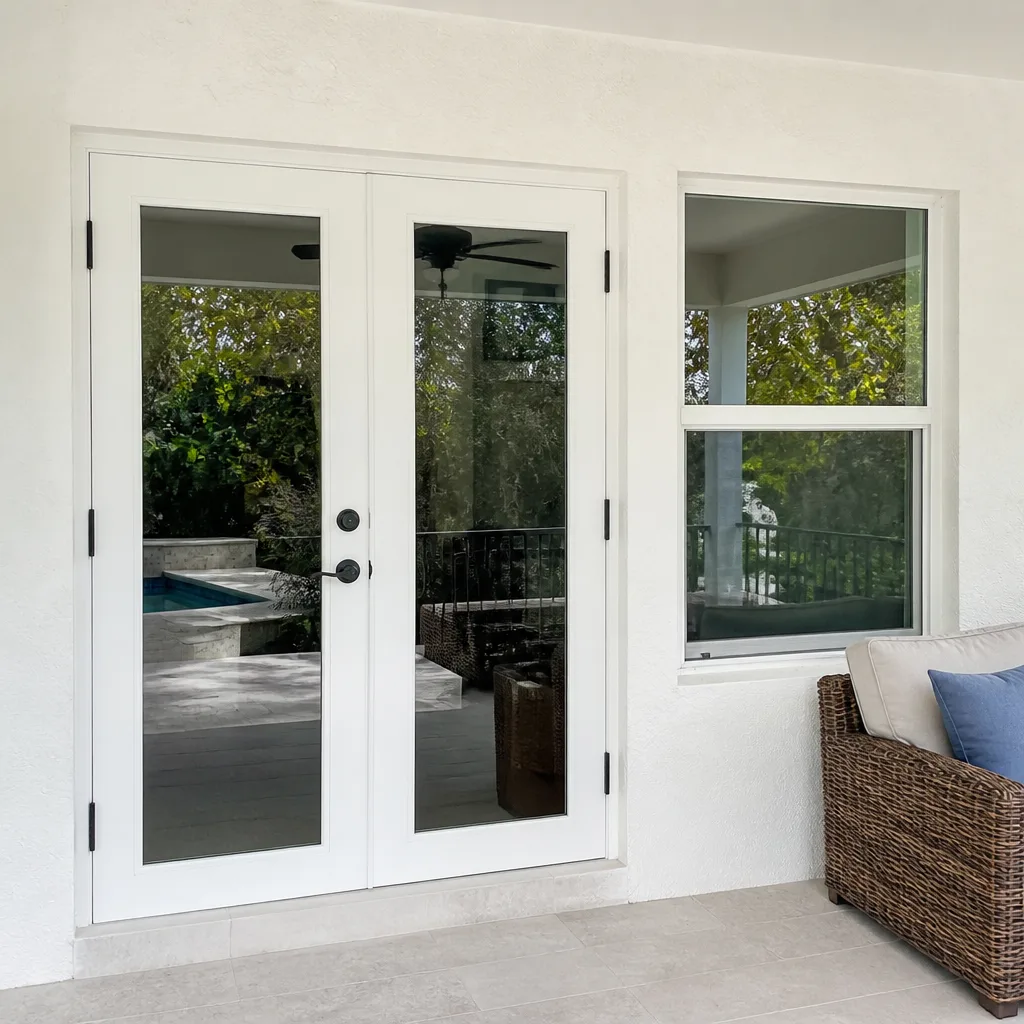 After
After Before
 After
After Before
 After
AfterWindows & Doors Permits, Codes & Inspections in FL: What You Need to Know
In 2023, a West Palm Beach homeowner watched a window with a valid Florida Product Approval sticker fail final inspection. The product was legal statewide. The county amendment required a Miami-Dade Notice of Acceptance for that specific wind speed zone. Two approval systems, one address, one failed inspection, and a three-week delay while the contractor sourced compliant units. This is not an edge case. It is the normal complexity of Florida’s dual-track code system, where statewide baseline and local amendment operate in parallel, and the product that passes in Orlando can fail in West Palm Beach on the same installation day. This guide maps both tracks so you know which document governs your specific address.
Quick Answer
Florida window and door installations require a building permit in every jurisdiction, including West Palm Beach. The permit application must include either Florida Product Approval or Miami-Dade NOA numbers, installation drawings, energy compliance documentation, and a recorded Notice of Commencement. Inspection occurs at rough-in and final, with re-inspection fees typically $75-$150 in Palm Beach County if the first pass fails.
Table of Contents

- Florida Product Approval vs. Miami-Dade NOA: Which Governs Your Address
- Permit Application Documents: What Your Contractor Must Submit
- The West Palm Beach Inspection Process: Rough-In vs. Final
- Re-Inspection Fees and Timelines in Palm Beach County
- The Notice of Commencement: Why Recording It Wrong Clouds Your Title
- Energy Compliance Forms: ResCheck, Manual J, and What Inspectors Verify
- Impact-Rated Requirements: HVHZ, Wind-Borne Debris Regions, and Product Selection
- Common Mistakes to Avoid
- When to Call a Professional
- Frequently Asked Questions
- The Bottom Line
 Before
 After
AfterFlorida Product Approval vs. Miami-Dade NOA: Which Governs Your Address
Florida operates two distinct product approval systems for windows and doors. Understanding which applies to your property is the first decision in any replacement project; our Complete Guide to Windows & Doors in West Palm Beach covers both systems in detail.
Florida Product Approval (FPA) is the statewide baseline. Administered by the Florida Department of Business and Professional Regulation, it certifies that a product meets the Florida Building Code for wind pressure, water infiltration, and structural performance. An FPA number means the product is legal to install anywhere in Florida that does not require a higher standard.
Miami-Dade Notice of Acceptance (NOA) is the stricter certification required in the High-Velocity Hurricane Zone (HVHZ), which includes Miami-Dade and Broward counties. The NOA testing protocol is more severe: larger missile impacts, higher cyclic pressure, and longer duration exposure. A product with FPA but no NOA cannot be installed in the HVHZ.
Here is where Palm Beach County creates the confusion that caught the 2023 West Palm Beach project. The county is not in the HVHZ. But Palm Beach County amendments require Miami-Dade NOA for specific wind speed zones within the county, particularly in coastal areas and certain inland zones with elevated exposure. West Palm Beach sits in Wind-Borne Debris Region with design wind speeds that trigger this requirement for many product categories.
The practical map looks like this:
- Properties west of Florida’s Turnpike in Palm Beach County often accept FPA-only products for standard replacement windows
- Properties east of the Turnpike, including most of West Palm Beach proper, frequently require NOA for impact-rated installations
- Second-story and above installations in any zone face stricter anchorage requirements that may push product selection toward NOA-certified systems
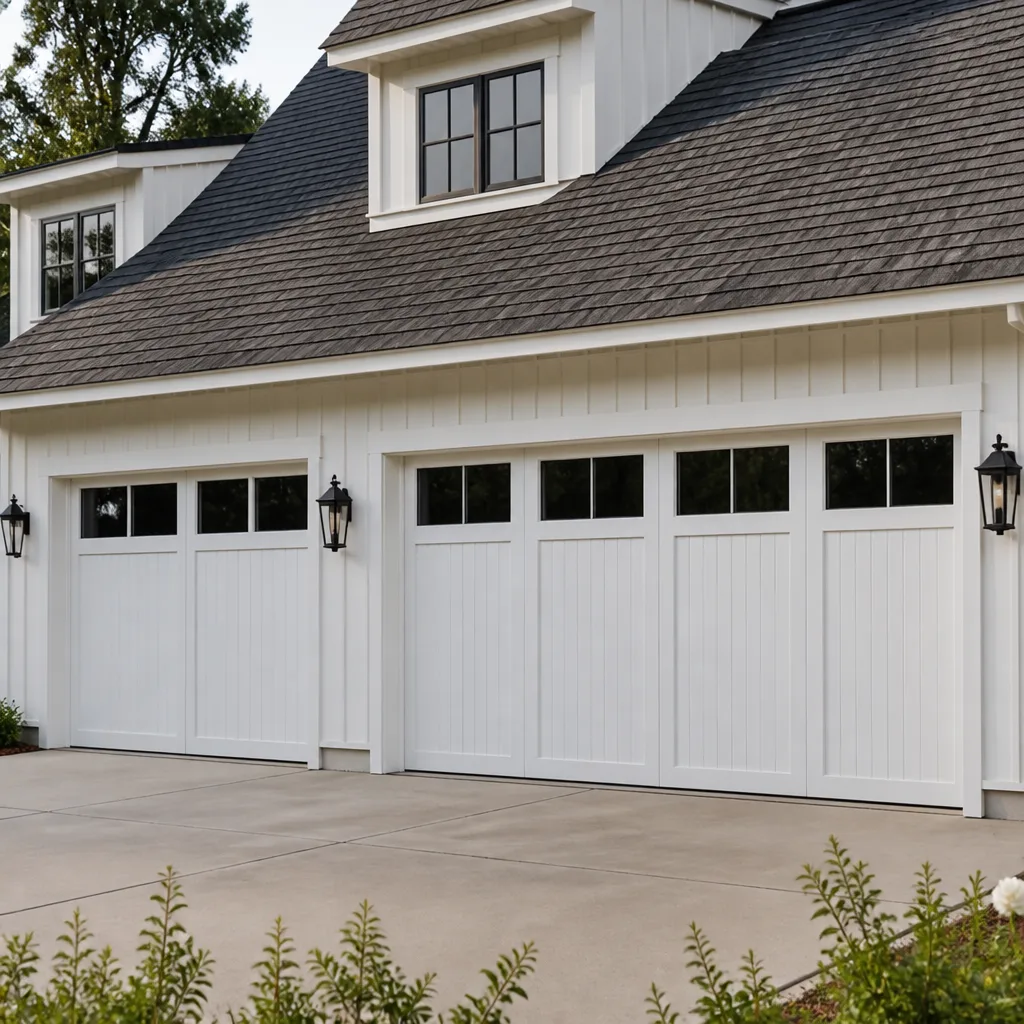
- Garage door replacements in West Palm Beach almost always require NOA due to large surface area and wind load concentration
At Sightline Windows & Doors West Palm Beach home, we verify the governing approval system before specifying any product. The measured survey we provide includes the wind speed zone for your address, and we note whether FPA or NOA applies. This is not a detail to discover at inspection. It is a detail to lock before the permit application is filed.
Product lines like CWS and ES Windows carry both FPA and NOA on many units. ECO Window Systems and Mr-Glass offer FPA-certified options that serve inland Palm Beach County properties cost-effectively. The specification is driven by what the opening requires, not by what is in stock.
Permit Application Documents: What Your Contractor Must Submit
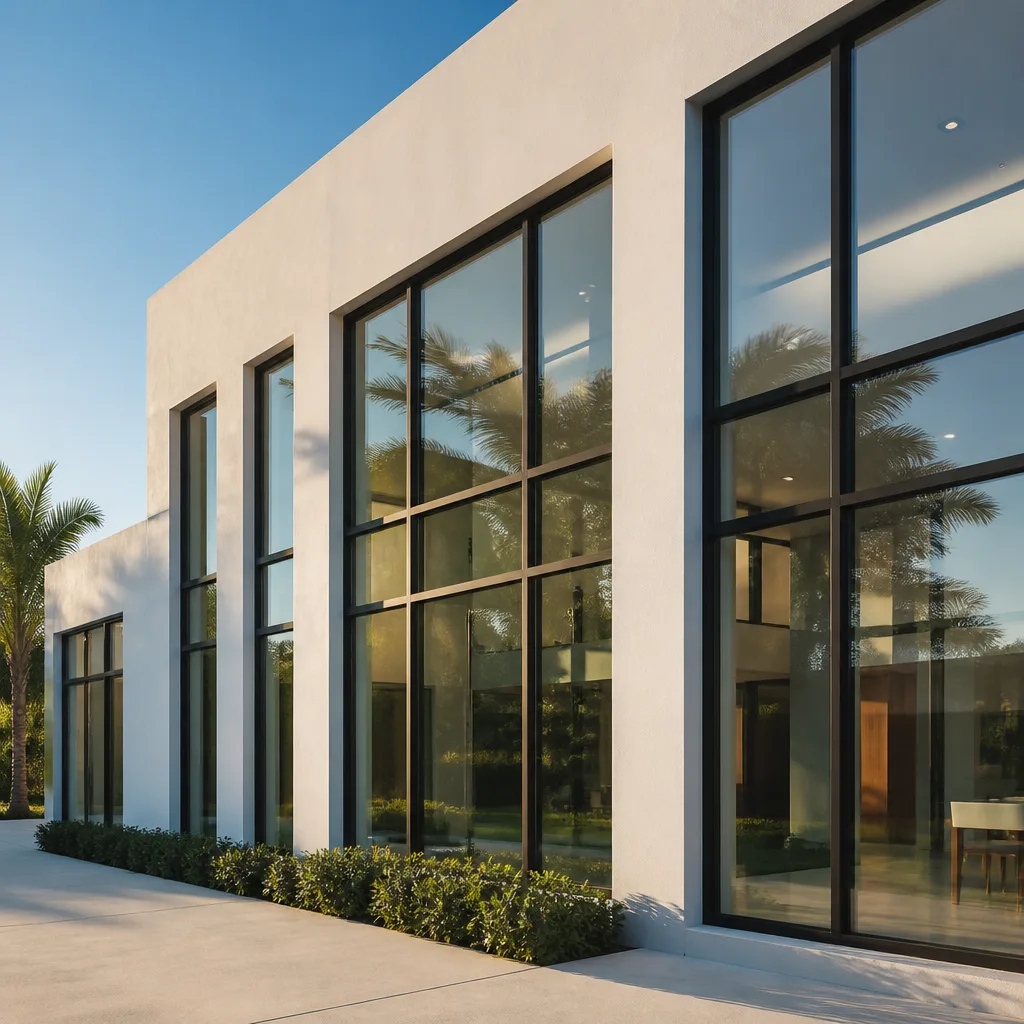
A window or door permit application in West Palm Beach is not a single form. It is a document package, and missing any component triggers a rejection before the fee is even processed.
- Product approval documentation. Every window and door unit must be listed by manufacturer, model, and approval number. If the property requires NOA, the Miami-Dade number is listed. If FPA suffices, the state number is listed. Mixed installations require both.
- Installation drawings. These are not marketing brochures. They are scaled drawings showing frame attachment method, fastener type and spacing, flashing integration, and sill pan configuration. The drawings must match the product approval exactly; any deviation requires an engineering letter.
- Energy compliance forms. Florida’s energy code mandates specific U-factor and SHGC values by climate zone. West Palm Beach sits in Climate Zone 2. The compliance path is typically prescriptive, meaning each unit must meet the table values, or performance, meaning the whole-house envelope is modeled. The form submitted depends on the path chosen.
- Signed owner authorization. The property owner or authorized agent must sign the permit application. In West Palm Beach, this signature is checked against the property appraiser record; mismatches delay processing.
- Contractor license and insurance verification. The applying contractor’s state license, general liability certificate, and workers’ compensation exemption or certificate must be current and match the license number on file.
- Notice of Commencement recorded copy. For jobs exceeding $5,000, the recorded NOC must accompany the application. More on this in its own section below.
The West Palm Beach Building Department processes complete applications in 10-15 business days for residential window and door permits. Incomplete applications are returned without review, and the clock restarts. We have seen projects delayed three weeks because a contractor submitted FPA numbers for a zone requiring NOA, or because the NOC was recorded but the copy submitted was missing the clerk’s recording stamp.
Haven Clause 1, Have it in writing, governs our process. The permit application package we prepare is included in the written scope you receive before any work starts. You see the approval numbers, the drawings, and the compliance path before we file.
The West Palm Beach Inspection Process: Rough-In vs. Final
Window and door installations in West Palm Beach require two inspections minimum: rough-in and final. Some projects trigger a third, pre-cover inspection for flashing and waterproofing if the inspector cannot verify these elements at final.
Rough-In Inspection
This occurs after old units are removed and new openings are prepared, but before the new window or door is set. The inspector verifies:
- Opening dimensions match the approved drawings within 1/4 inch
- Structural framing is intact; no notched studs or compromised headers without engineering
- Sill pan flashing is correctly lapped and sloped to drain outward
- Fastener embedment depth and spacing match the product approval and installation drawing
- Shims are non-compressible and do not bridge the thermal break on vinyl or aluminum frames
In West Palm Beach, inspectors carry moisture meters and probe exposed framing at rough-in. We have seen failures in El Cid and Flamingo Park neighborhoods where previous water intrusion left elevated moisture content in studs. The inspector flags it, the framer dries or replaces, and the schedule shifts. This is not punitive. It is the inspection working as designed.
Final Inspection
This occurs after installation is complete, interior trim is in place, and the work area is clean. The inspector verifies:
- Product labels are legible and match the permit exactly: manufacturer, model, dimensions, approval number
- Operable units open, close, and lock smoothly; hardware functions as specified
- Weatherstripping is continuous and uncompressed
- Exterior sealant is continuous, tooled, and compatible with frame and wall materials
- Interior finish is restored; no exposed gaps or unfinished surfaces
The final inspection in West Palm Beach includes a documentation check. The inspector compares the installed unit to the permit record. If the permit lists a PGT WinGuard 4400 series and a CGI Estate Collection is installed, the inspection fails regardless of whether the CGI unit is code-legal. The permit governs what is allowed, not the product’s standalone compliance.
We document every installation with photographs at rough-in and final, included as standard evidence under Haven Clause 4. You receive these with your completion packet, along with the passed inspection cards.
Re-Inspection Fees and Timelines in Palm Beach County
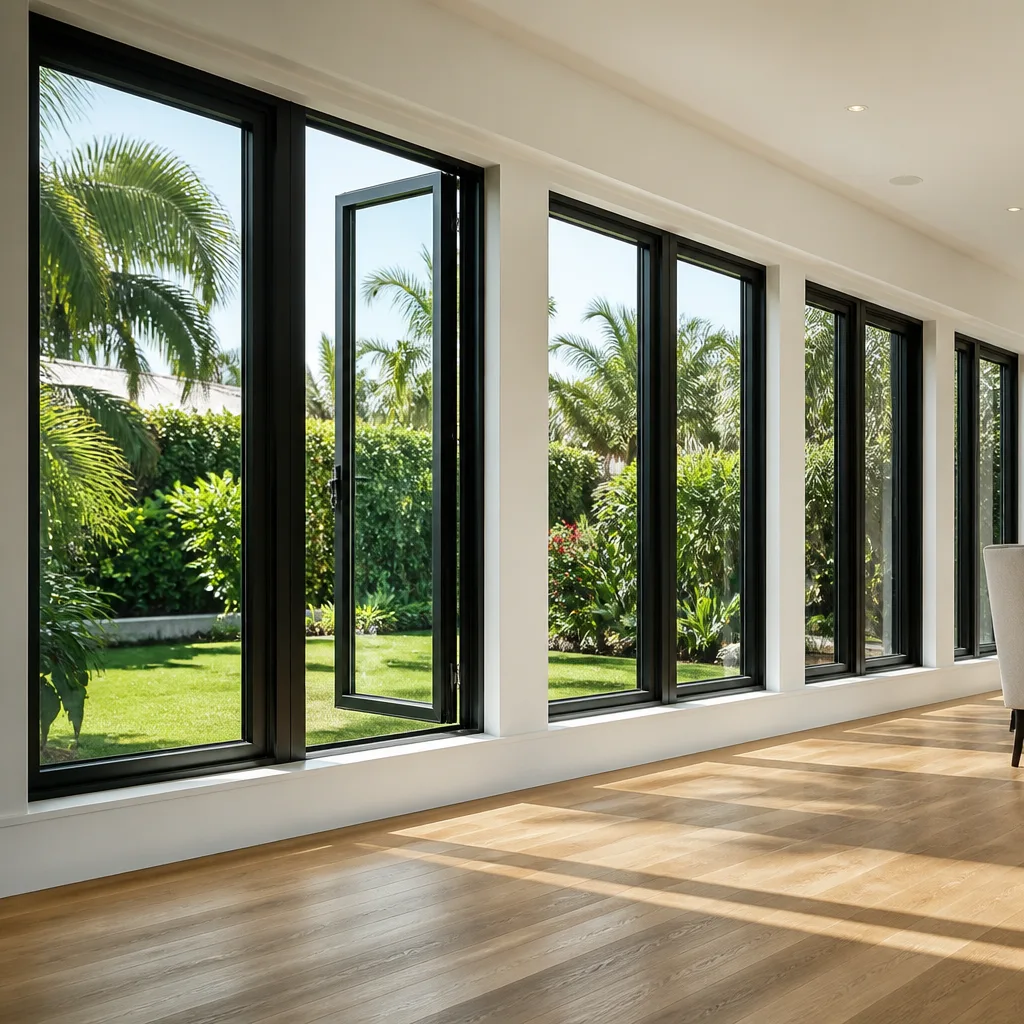
Failed inspections are not free. Palm Beach County charges re-inspection fees that scale with the deficiency type and the number of revisits.
| Re-Inspection Type | Fee Range | Timeline to Re-Inspect |
|---|---|---|
| First re-inspection, minor correction | $75-$100 | 3-5 business days |
| Second re-inspection, same deficiency | $100-$150 | 5-7 business days |
| Third or subsequent, or major deficiency | $150-$250 + possible stop-work | 7-10 business days, or until engineering review |
| Failed rough-in requiring re-exposure | $150-$200 + contractor labor | 10-14 business days |
These fees are paid to the county, not to the contractor, though many contracts pass them through to the homeowner. At Sightline, our written scope specifies that re-inspection fees due to our error are our cost. Re-inspection fees due to homeowner-requested changes or concealed conditions are billed at cost. This is stated before work starts, not discovered in a change order.
The timeline matters as much as the fee. A failed rough-in in West Palm Beach in late August can push final inspection into September, when permit volume spikes with pre-hurricane-season work. The 3-5 day re-inspection window becomes 7-10 days. We schedule inspections with buffer for this seasonality, particularly in coastal neighborhoods like South of Southern and Northwood where inspector assignments are fewer and travel time between sites is longer.
The Notice of Commencement: Why Recording It Wrong Clouds Your Title
The Notice of Commencement is a legal document, not a building department form. It is recorded with the Palm Beach County Clerk of the Circuit Court, and it governs who can file a lien against your property for work performed.
For window and door projects exceeding $5,000 in West Palm Beach, a recorded NOC is mandatory before permit issuance. The document must include:
- Legal property description matching the deed
- Owner name and mailing address
- Contractor name, address, and license number
- Lender information, if applicable
- Project description with estimated value
- Property owner’s notarized signature
The NOC error that creates title problems is typically one of three: the legal description is abbreviated or copied from the tax appraiser rather than the deed; the owner name does not match the recorded title; or the estimated value is understated, triggering a requirement to record an amended NOC mid-project.
Here is how this clouds a resale. A buyer’s title search reveals an NOC recorded in 2022 for $8,000 in window work. The NOC lists an estimated value of $5,500. No amended NOC was recorded when the final invoice was $8,200. A subcontractor who was not paid files a lien within the 90-day window. The lien attaches to the property, not the owner. The seller must bond it off or negotiate release. The sale stalls.
We prepare NOC documents for our West Palm Beach clients as part of our permit package, and we verify the legal description against the deed, not the tax roll. The document is recorded before we file for permit. This is not a courtesy. It is Haven Clause 1: Have it in writing, and have it correct before any work starts.
Energy Compliance Forms: ResCheck, Manual J, and What Inspectors Verify
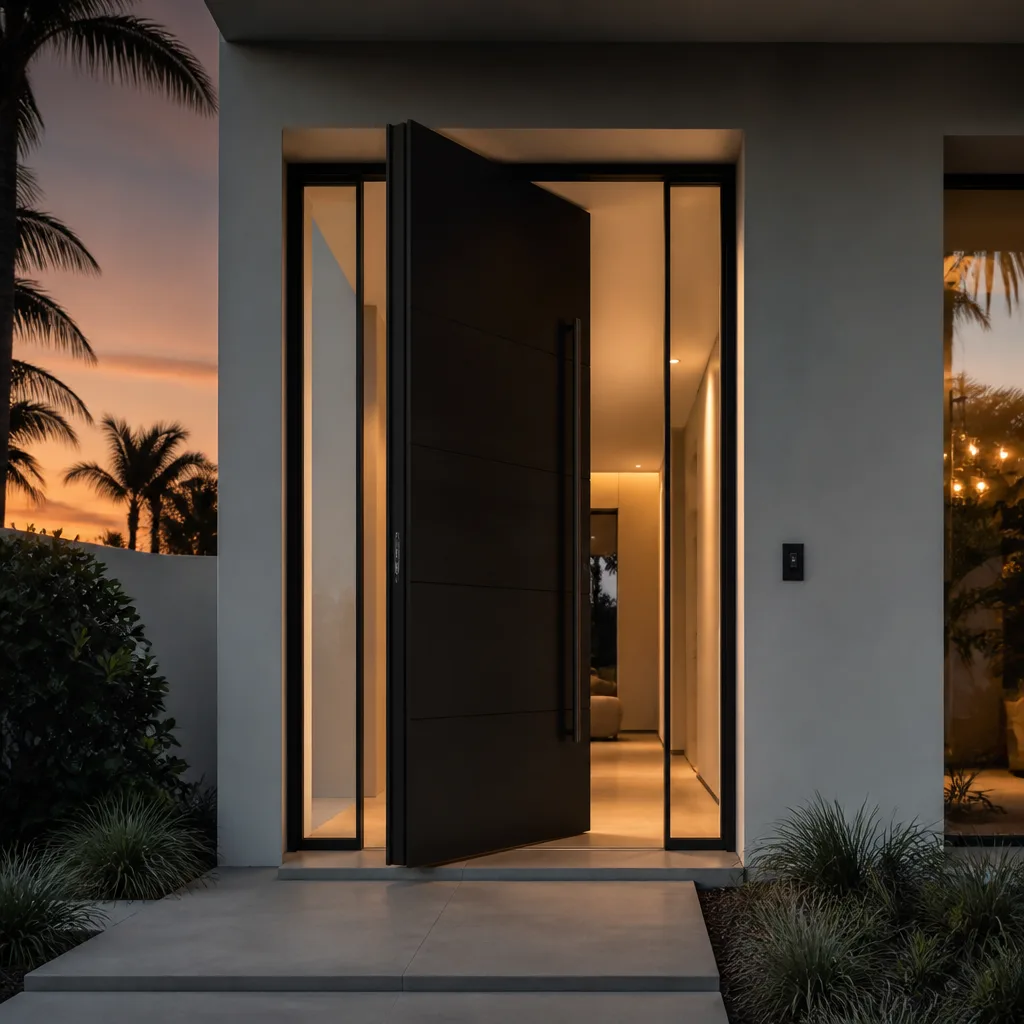
Florida’s energy code for residential construction is Chapter 11 of the Florida Building Code, Energy Conservation. Window and door replacements trigger compliance because glazing is a major thermal transfer surface.
West Palm Beach is in Climate Zone 2, where the prescriptive requirements are:
- U-factor maximum: 0.60 for non-impact windows, 0.65 for impact-rated windows
- SHGC maximum: 0.25 for all windows
- Skylight U-factor maximum: 0.75
- Door U-factor maximum: 0.60 for swinging doors, 0.35 for sliding glass doors
Compliance is demonstrated through one of two paths. The prescriptive path uses ResCheck software to verify that every unit meets the table values. The output is a one-page compliance certificate. The performance path uses whole-house energy modeling, typically Manual J or equivalent, to show that the proposed envelope meets or exceeds the energy budget of a code-minimum house. This path allows trade-offs: a higher U-factor window in a shaded north wall can balance a lower U-factor requirement on the west wall.
West Palm Beach inspectors verify energy compliance at final inspection by checking the permit file for the ResCheck certificate or Manual J report. They do not test U-factor in the field. But they do verify that the installed product matches the product listed in the energy documentation. A substitution after permit issuance without updated energy compliance is a failure.
The performance path is often advantageous for West Palm Beach homes with extensive existing shading from mature banyans and live oaks in neighborhoods like El Cid and Old Northwood. The tree canopy reduces solar heat gain, allowing modeling that justifies slightly less stringent glazing specifications on north and east elevations. We evaluate this path during our measured survey and note it in the written scope if it produces measurable savings.
Product lines from ES Windows and ECO Window Systems publish certified U-factor and SHGC values that simplify prescriptive compliance. CWS and Mr-Glass offer performance-tier options that we specify when the performance path yields better value for the opening orientation.
Impact-Rated Requirements: HVHZ, Wind-Borne Debris Regions, and Product Selection
Florida divides the state into wind-borne debris regions based on design wind speed. The boundary is not county lines. It is a mapped contour of wind exposure.
West Palm Beach is within the Wind-Borne Debris Region. This means exterior glazing must be either impact-rated or protected by an approved shutter system. Most homeowners choose impact-rated windows and doors for the permanent protection and insurance premium reduction.
The product selection logic follows this sequence:
- Determine the design wind speed for the specific address. In West Palm Beach, this ranges from 150 mph to 170 mph depending on exposure category and proximity to the Intracoastal Waterway.
- Identify whether the local amendment requires Miami-Dade NOA or accepts FPA for that wind speed.
- Select product with approval numbers matching both the wind speed and the approval system.
- Verify that the product approval covers the specific installation configuration: fixed, operable, with or without nailing fin, stucco return, or siding application.
- Confirm that the fastener schedule in the approval matches the wall construction: wood frame, concrete block, or steel stud.
A product approved for 150 mph wind speed with wood frame attachment cannot be installed on a concrete block wall at 170 mph, even if the glass itself is identical. The approval is configuration-specific.
We have installed impact-rated units in West Palm Beach from PGT, CGI, CWS, and ES Windows, each specified to the exact opening requirements. The Window Installation in West Palm Beach process we follow begins with the measured survey that captures wall type, opening dimensions, and exposure, then matches product to condition. The quote you receive names the specific manufacturer, model, and approval number before any work starts.
Garage doors are a distinct category. The large surface area creates concentrated wind load, and West Palm Beach amendments require Miami-Dade NOA for virtually all impact-rated garage door installations. The track system, hardware, and anchorage are all tested as an assembly. Substituting non-approved hardware voids the installation compliance even if the door panel itself is approved.
Common Mistakes to Avoid
- Assuming statewide approval equals local acceptance. A Florida Product Approval sticker does not guarantee passage in West Palm Beach if the county amendment requires Miami-Dade NOA. Verify the governing approval system before purchasing product.
- Permitting based on the tax appraiser’s legal description. The tax roll abbreviates legal descriptions. The deed does not. An NOC recorded with the abbreviated description may be rejected by the clerk or challenged by a lien claimant.
- Skipping the rough-in inspection. Some contractors encourage homeowners to “just cover it” and call for final. This is a permit violation. If the inspector requires re-exposure, the cost of trim removal and replacement falls to the homeowner.
- Accepting a verbal promise of “code-compliant” without written approval numbers. The specific product, model, and approval number must be in the contract. “Code-compliant” is not a product specification.
- Failing to update energy compliance after product substitution. Any change after permit issuance requires an amendment. The energy compliance certificate must match the installed unit. Inspectors check this.
- Recording the NOC with an understated project value. If the final invoice exceeds the NOC estimated value by more than a nominal margin, record an amended NOC. The small recording fee prevents title complications at resale.
- Ignoring the re-inspection fee schedule in the contract. Some contractors bury re-inspection fees in vague “administrative cost” language. The written scope should state clearly who bears these fees and under what conditions.
When to Call a Professional
Call a licensed contractor when your project involves structural modification of openings, impact-rated requirements, or any work in a Wind-Borne Debris Region. The dual-track approval system, the energy compliance documentation, and the inspection sequencing are not homeowner-administrable processes, as explained in our DIY vs Professional Windows & Doors guide. Errors in any layer produce delays, fees, and title risk.
Specifically, seek professional evaluation-see our Windows & Doors Warning Signs: A West Palm Beach Homeowner’s Reference Guide-if you are replacing windows in a pre-2002 home where original installations may not meet current anchorage standards; if your property is east of the Turnpike in Palm Beach County where NOA requirements are more common; if you are converting a window to a door or enlarging an opening, which triggers engineered header calculations; or if you are selling within two years and need clean inspection records for disclosure.
Window Replacement in West Palm Beach requires navigating these layers correctly the first time. Sightline Windows & Doors West Palm Beach offers free estimates in West Palm Beach - call (561) 354-3861 to schedule a measured survey. We will identify your wind speed zone, the governing approval system, and the specific product lines that comply, all documented in writing before any work starts.
Frequently Asked Questions
Yes. Every window and door replacement in West Palm Beach requires a building permit from the city. The permit ensures product approval verification, energy compliance, and inspection of installation quality. Call (561) 354-3861 for a free estimate and we will handle the permit application as part of our scope, or explore more guides & resources on our blog.
Florida Product Approval is the statewide baseline certification. Miami-Dade Notice of Acceptance is a stricter certification required in the High-Velocity Hurricane Zone and in certain Palm Beach County wind speed zones, including many West Palm Beach addresses. A product can have FPA without NOA, but not vice versa. The specific approval required depends on your property’s wind speed zone and local amendments.
Residential window and door permits in West Palm Beach are calculated by project value, with a base fee of approximately $100-$150 for typical replacement projects, plus plan review and inspection fees. The total permit cost for a whole-house window replacement typically ranges $400-$800. We include the permit fee in our written scope so you know the full cost before work starts.
The inspector issues a correction notice with specific deficiencies. Your contractor corrects the work and requests re-inspection. Palm Beach County charges re-inspection fees starting at $75-$100 for the first revisit. At Sightline, re-inspection fees due to our error are our cost, stated in writing before work begins.
Complete applications are processed in 10-15 business days. Incomplete applications are returned without review. We prepare the full package - product approvals, drawings, energy compliance, and recorded NOC - before filing to avoid delay.
Impact-rated windows and doors often qualify for wind mitigation credits on homeowner’s insurance. The specific discount depends on your carrier, the product rating, and the inspection documentation. We provide the product approval documentation and installation records that your insurer requires to process the credit. Call (561) 354-3861 and we will review what documentation your carrier typically requests.
The Bottom Line
Florida’s window and door code operates on two tracks: the statewide Florida Building Code with its Product Approval system, and the local amendments that Palm Beach County and West Palm Beach layer on top, frequently requiring Miami-Dade NOA for coastal and elevated wind speed zones. A successful installation requires correct product selection, complete permit documentation, proper Notice of Commencement recording, and passage of both rough-in and final inspection. The cost of error is not merely the re-inspection fee; it is the delay, the re-work, and the potential title complication at resale. Every layer of this process is documented in writing at Sightline before any work starts, under the Haven Standard we have applied to 18,000+ openings since 2012.
Written by Sonia Raman, Owner at Sightline Windows & Doors West Palm Beach, serving West Palm Beach since 2012.