
Last updated September 24, 2026
Free in-home measure and quote - PGT, CGI and CWS impact lines compared on your actual openings, style by style
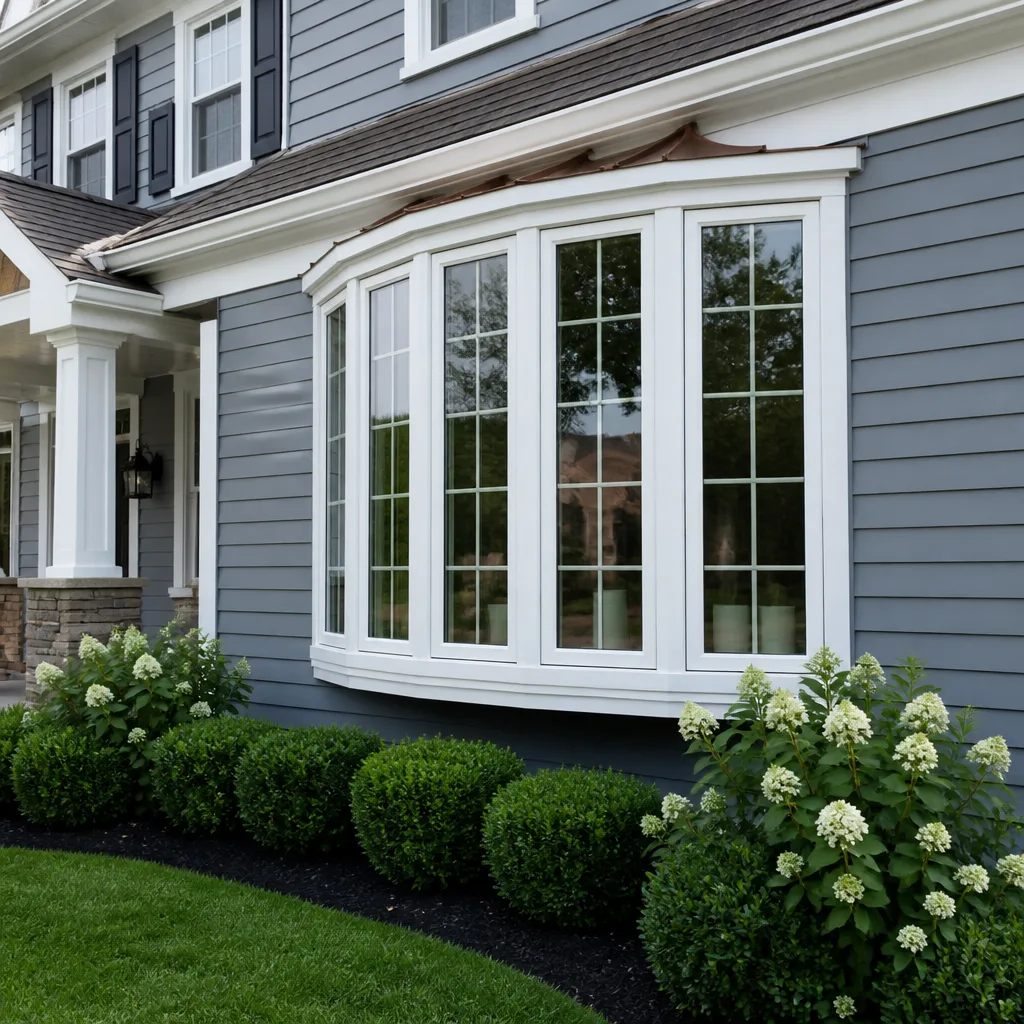
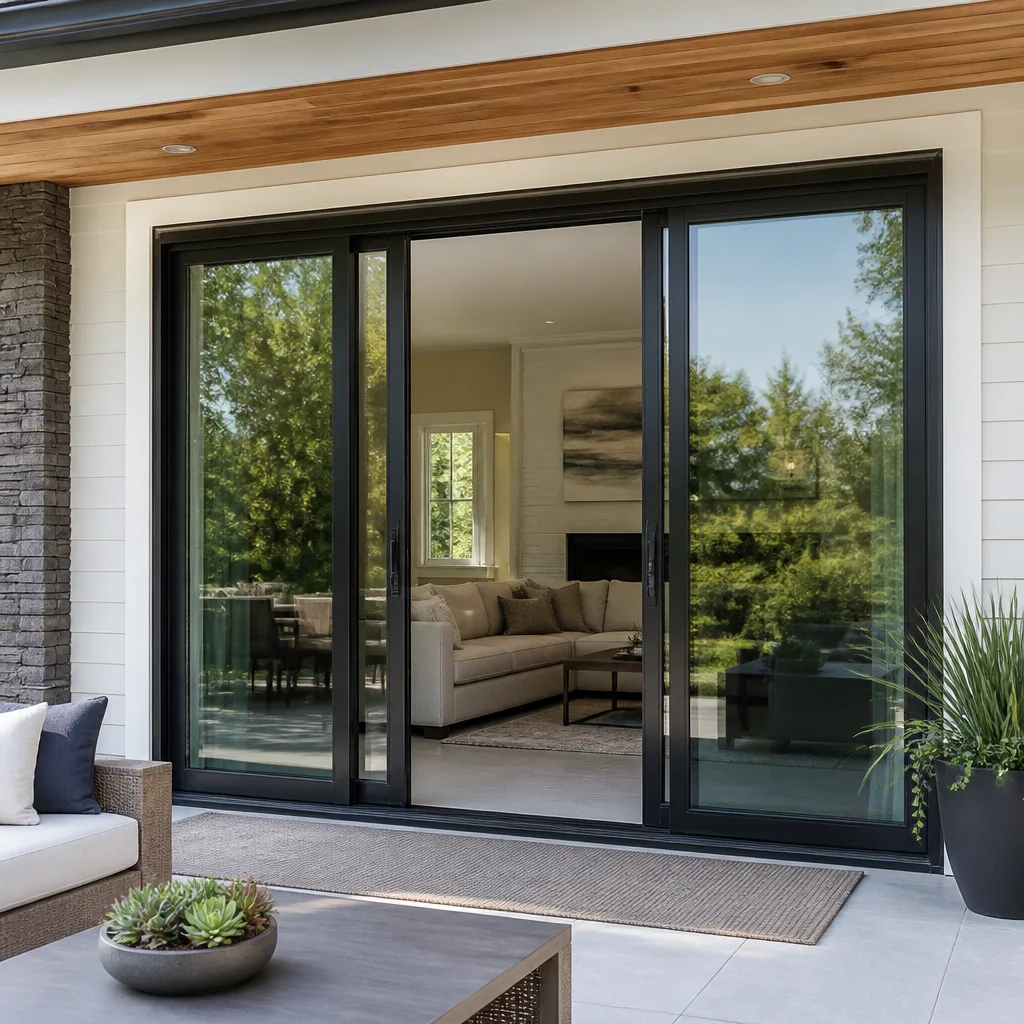
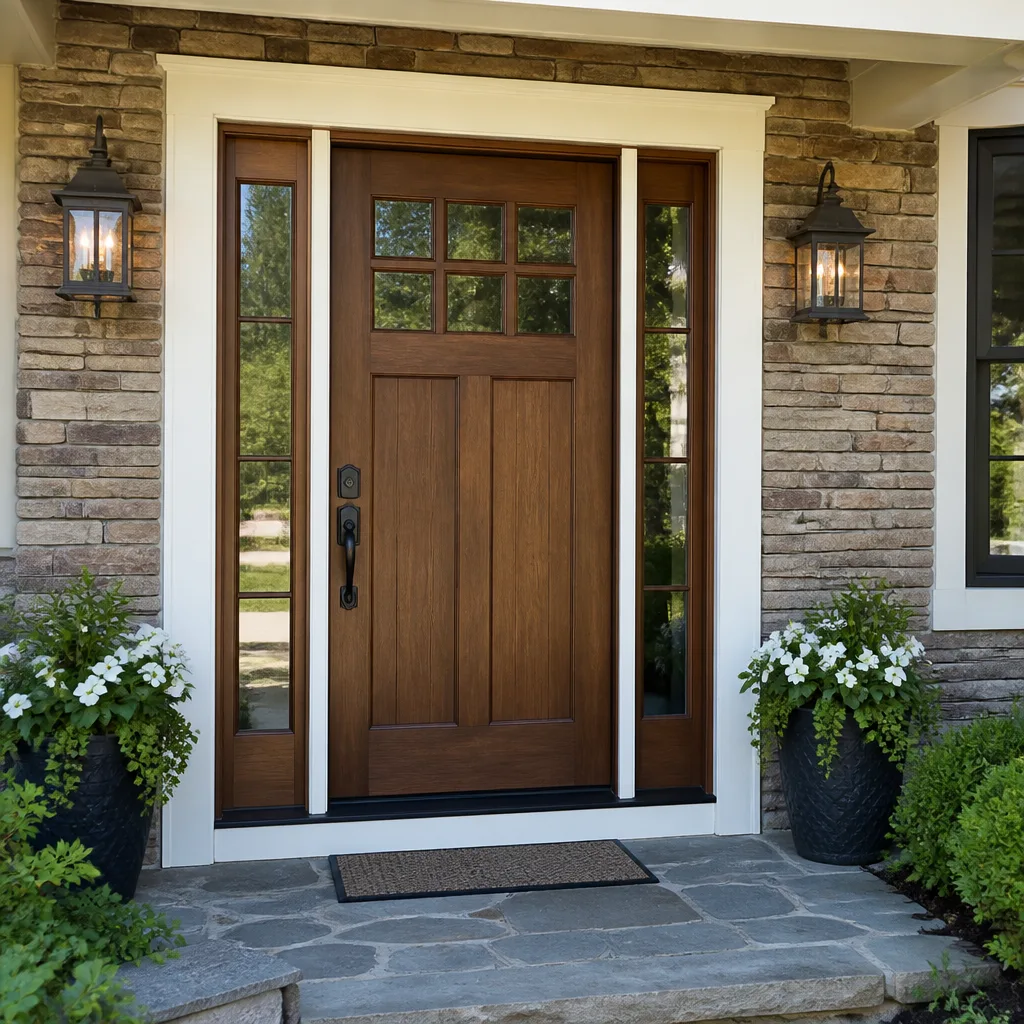
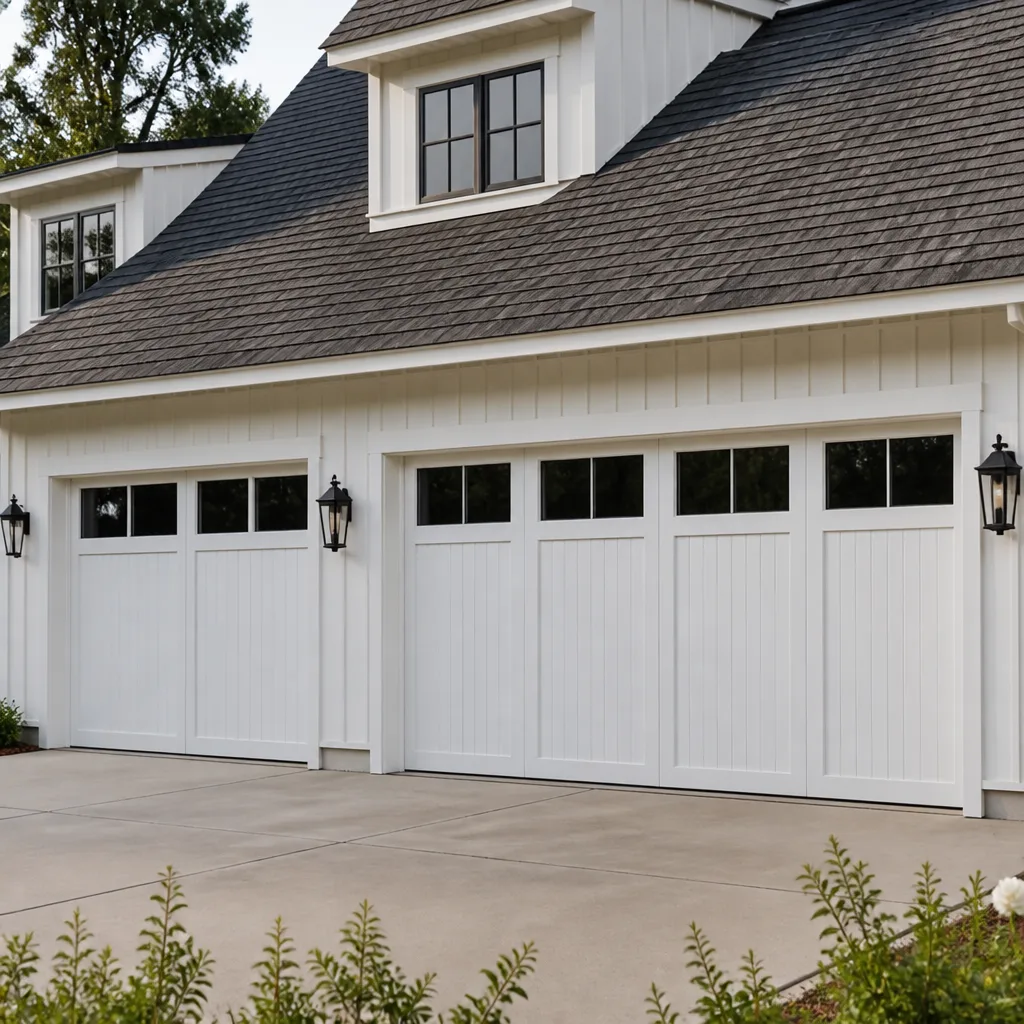
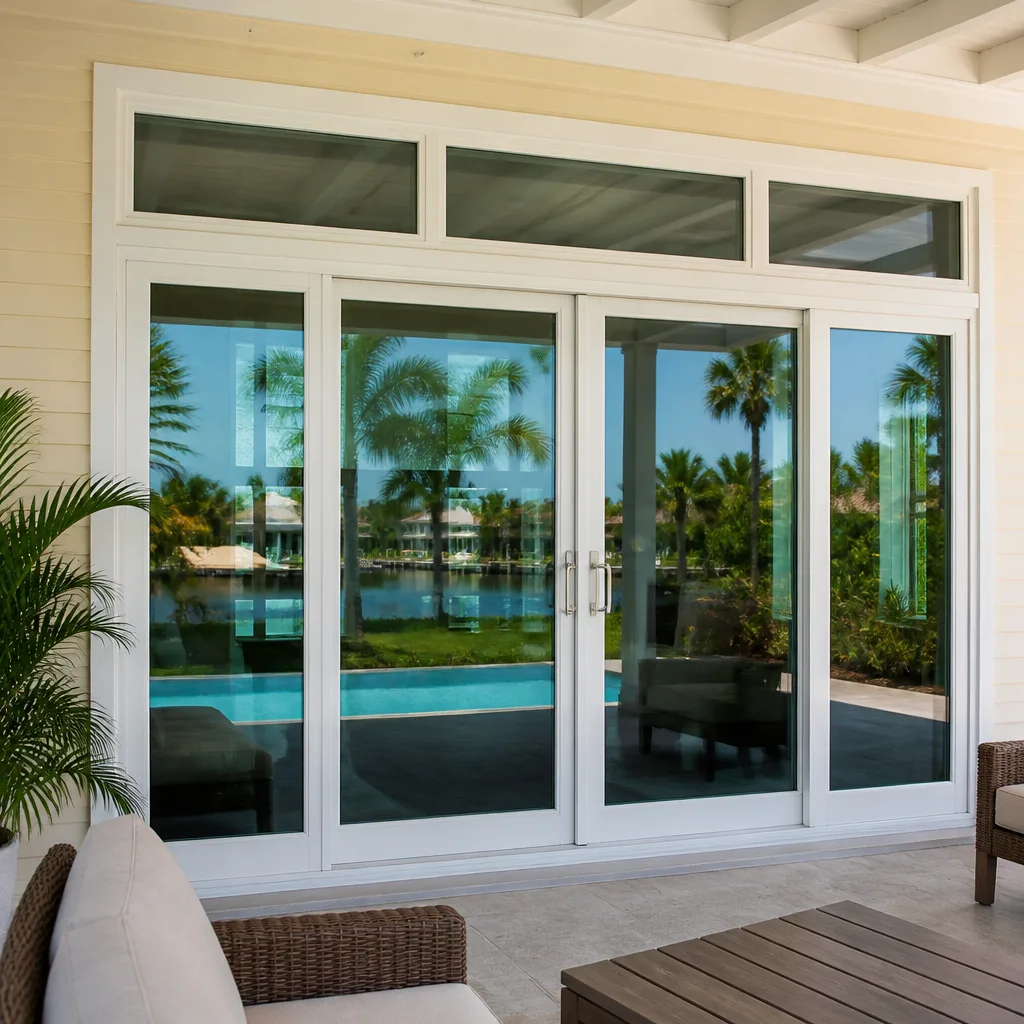
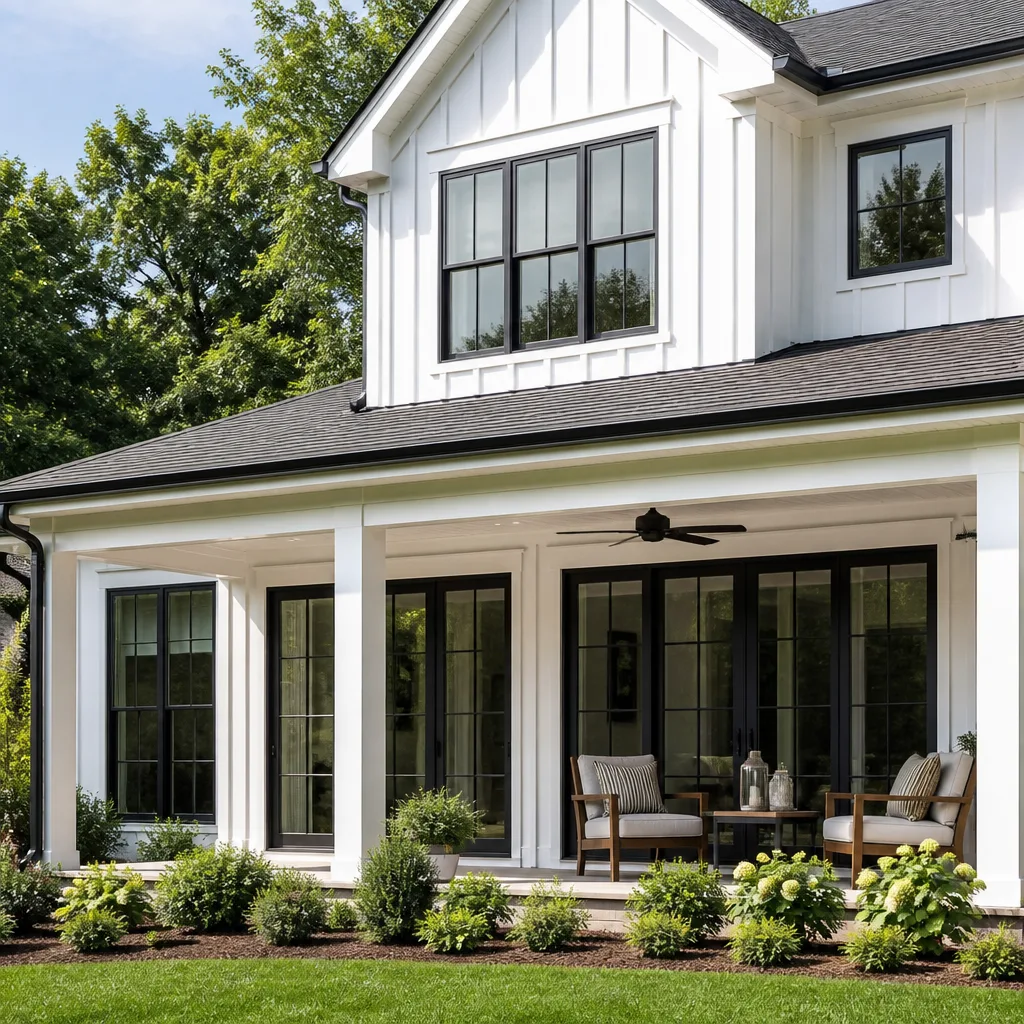
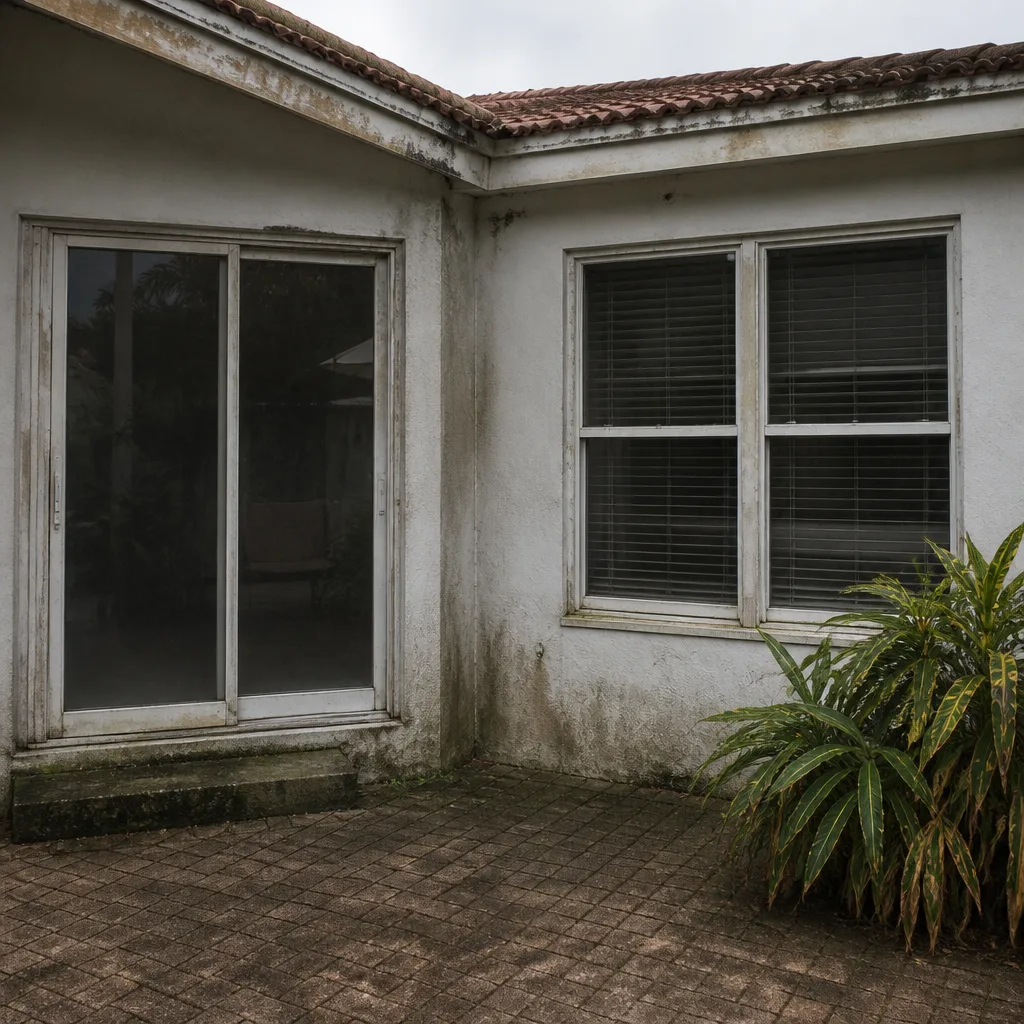 Before
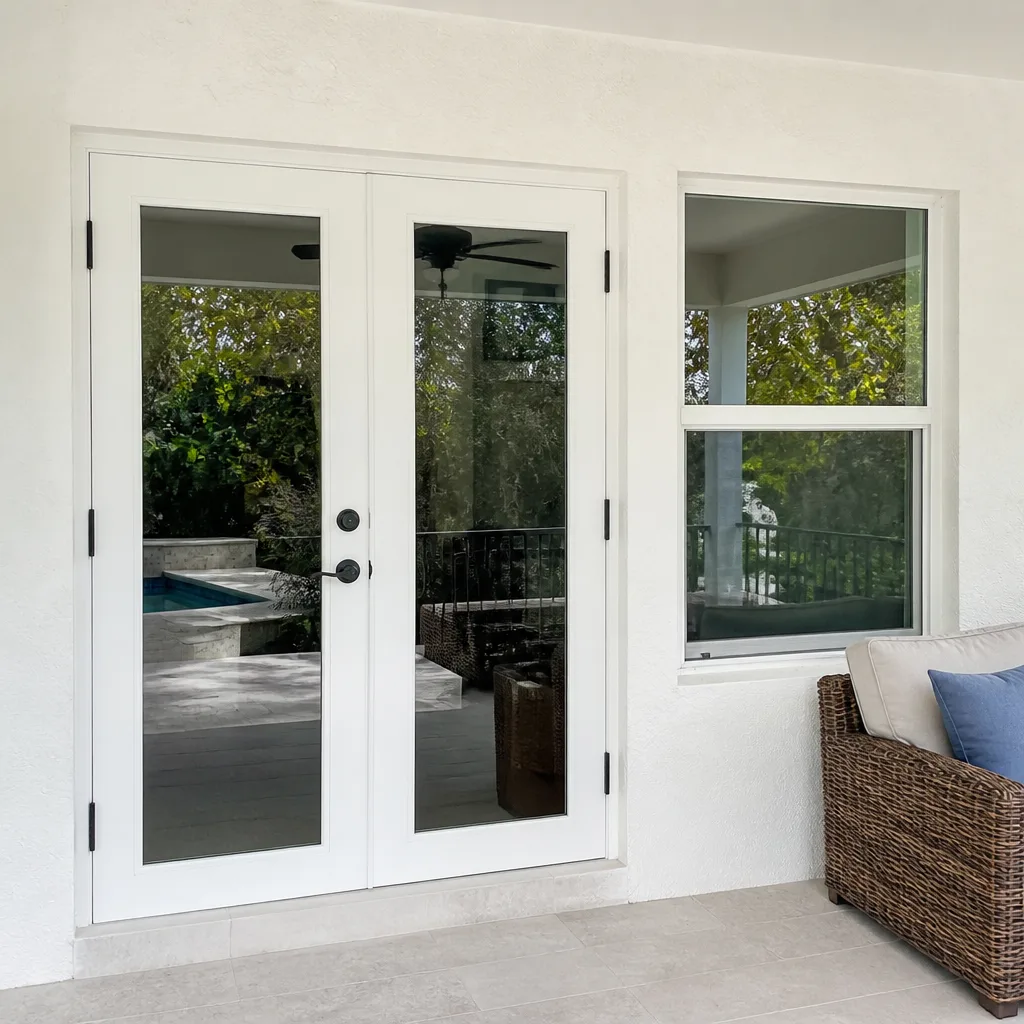 After
After Before
 After
After Before
 After
AfterThe Complete Guide to Windows & Doors in West Palm Beach
Most West Palm Beach homeowners walk into a showroom and pick a frame color before confirming whether the unit carries a Miami-Dade Notice of Acceptance - the single document that determines whether their insurance carrier will pay a hurricane claim. In Palm Beach County, that sequence is backwards. The building code eliminates roughly half the products sold nationally before aesthetics ever enter the conversation. This guide sequences the decision the way the code does: performance specification first, then product selection, then price. Whether you’re replacing a single leaking window in Flamingo Park or specifying every opening for a new build in El Cid, what follows is written for the homeowner who reads three-star reviews and wants numbers on the page - or explore more guides & resources.
Quick Answer
Choosing windows and doors in West Palm Beach means selecting products that carry either a Miami-Dade Notice of Acceptance (NOA) or Florida Product Approval for High-Velocity Hurricane Zone (HVHZ) wind-borne debris protection, then matching U-factor and SHGC ratings to South Florida’s hot-humid climate zone, and finally verifying that the installation follows HVHZ fastener and flashing schedules. Installed prices in West Palm Beach range from $650 for a single-hung impact window to $4,500 for a sliding glass door system, with permit-to-final inspection timelines of 2-4 weeks in the city and 3-6 weeks in unincorporated Palm Beach County.
Table of Contents
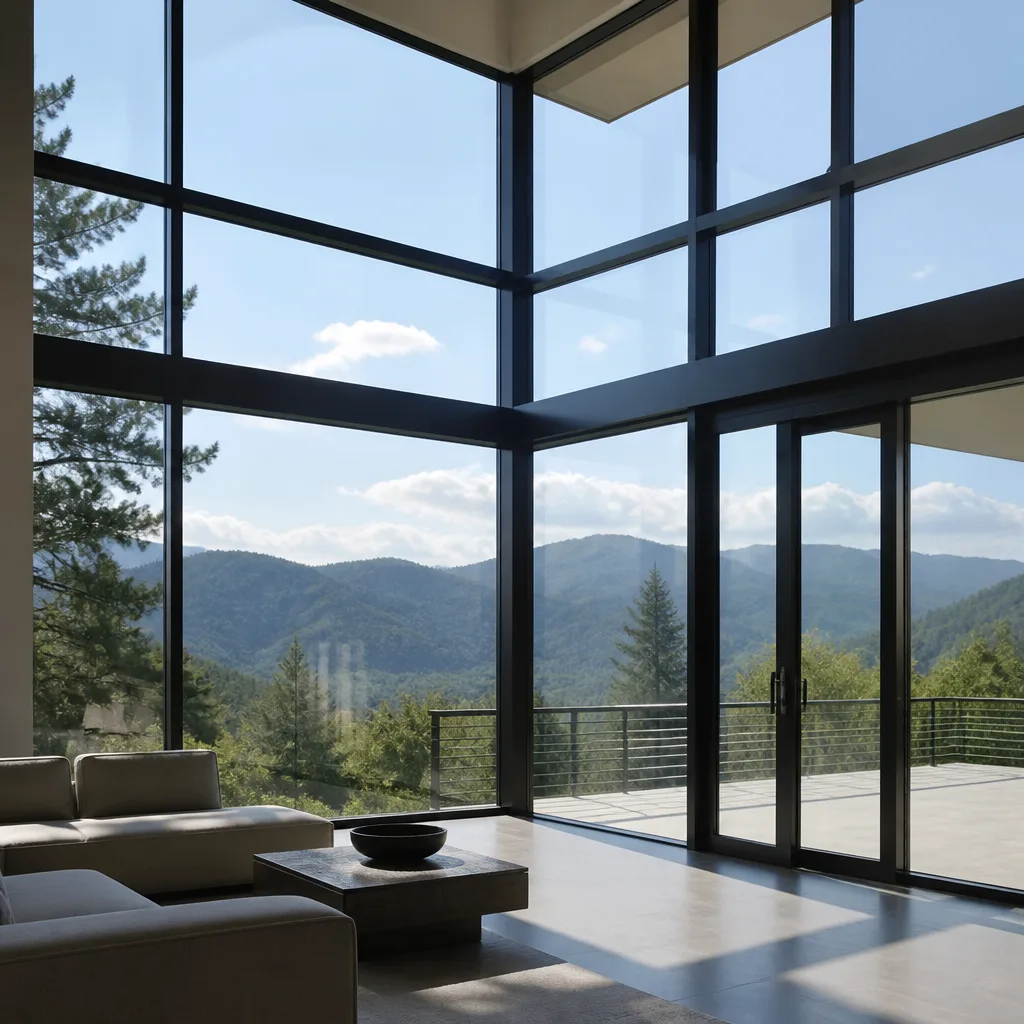
- Why HVHZ Product Approval Comes Before Style
- The Four Performance Ratings Every West Palm Beach Homeowner Must Read
- Installed Cost Ranges by Opening Type in West Palm Beach
- What a Compliant Installation Looks Like at the Rough Opening
- Permit-to-Final Inspection: Realistic Timelines in West Palm Beach
- Selecting Products by Performance Tier, Not Brand Name
- Common Mistakes to Avoid
- When to Call a Professional
- Frequently Asked Questions
 Before
 After
AfterWhy HVHZ Product Approval Comes Before Style
Palm Beach County sits adjacent to the High-Velocity Hurricane Zone (HVHZ), the most stringent wind-borne debris region in the United States. The distinction matters because it determines which product approval path your windows and doors must carry.
West Palm Beach itself - zip codes 33401, 33405, 33407, and portions of 33409 and 33417 - falls within the HVHZ boundary. Unincorporated areas directly west and north may fall under standard Florida Building Code wind zones with less stringent requirements. The difference is not academic. A product with Florida Product Approval alone may not satisfy the HVHZ fastener schedule, impact glass thickness, or frame reinforcement that Miami-Dade County mandates. Your insurance underwriter knows the difference, even if your initial contractor does not.
The Miami-Dade Notice of Acceptance (NOA) is a product-specific engineering document. It lists the exact glass make-up, frame extrusion, reinforcement, and anchorage pattern tested to withstand missile impact and cyclic pressure loading. Florida Product Approval is broader, covering products that meet statewide wind-borne debris standards but not necessarily HVHZ pressures. In our experience across 18,000+ openings since 2012, the confusion between these two documents causes more failed inspections and insurance disputes than any other single factor.
Here’s how to verify what you need:
- Confirm your property’s wind-borne debris region using the Palm Beach County Property Appraiser’s GIS map or your elevation certificate.
- Request the NOA or Florida Product Approval number from your contractor before selecting frame color or hardware finish.
- Cross-reference that number against the Florida Department of Business and Professional Regulation’s online product approval database.
- Verify that the approval covers the specific product size and configuration you are ordering - approvals are not blanket documents.
We specify products from PGT, CGI, CWS, and ES Windows for West Palm Beach openings because each maintains current NOAs with size-specific engineering that we can reference by document number in our written quotes. Haven Clause 1 - Have it in writing - means the NOA number appears on your scope document before any deposit is collected.
The Four Performance Ratings Every West Palm Beach Homeowner Must Read
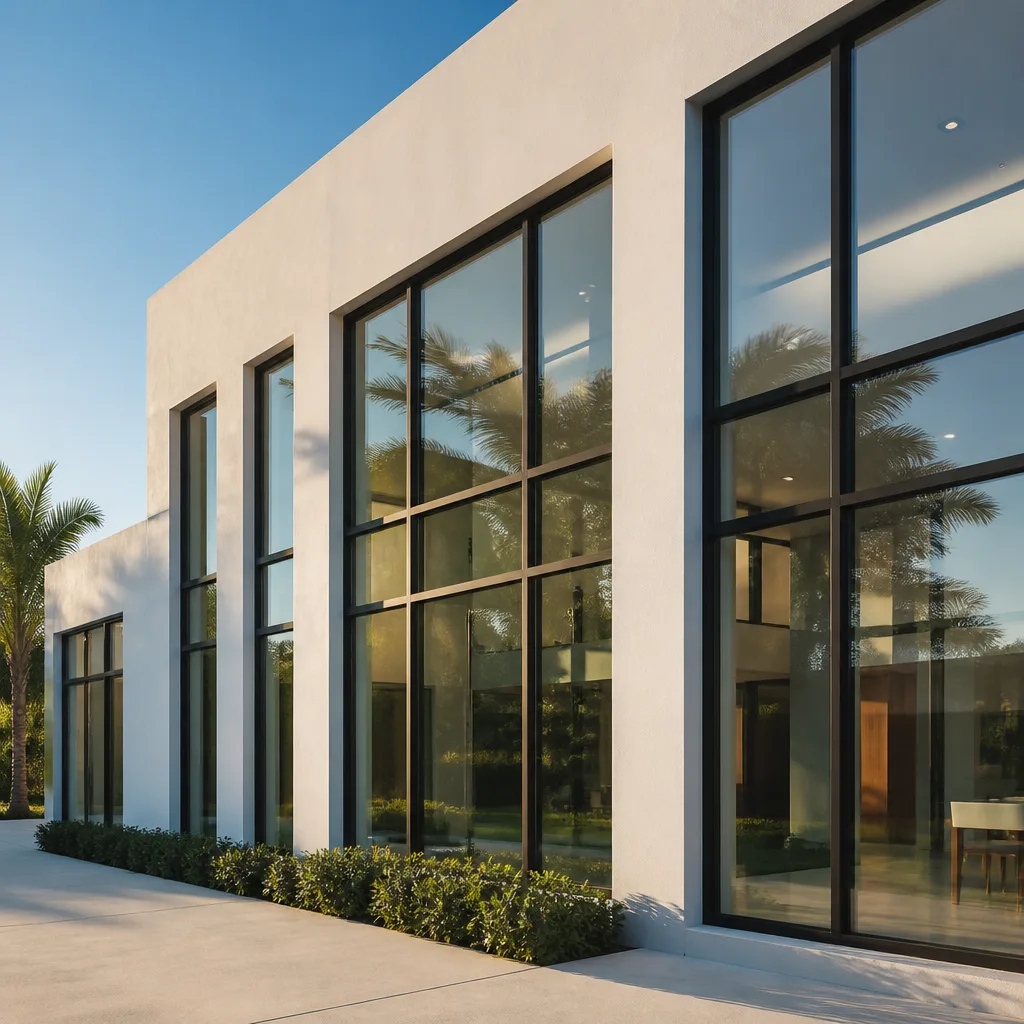
Once product approval status is confirmed, four performance ratings determine whether the unit will perform in West Palm Beach’s specific climate and code environment. We read these on every measured survey we conduct. You should read them on every quote you receive.
1. Design Pressure (DP) Rating
DP rating measures the structural load a window or door can withstand, expressed in pounds per square foot (psf). West Palm Beach requires minimum DP ratings that vary by building height and exposure category. A single-story home 1,500 feet from the Intracoastal Waterway faces different pressures than a third-floor condo in downtown. Typical minimums range from +50/-50 psf for inland single-family homes to +70/-70 psf for coastal multi-story structures. The rating must be stamped on the product label and match the structural calculations filed with your permit.
2. Impact Resistance Classification
Impact-rated products in the HVHZ must pass large missile impact testing (9-pound 2×4 lumber at 50 feet per second) and small missile testing (steel ball bearings at 130 feet per second). The classification appears as “Large Missile Impact” or “Small Missile Impact” on the NOA. Large missile is required for first-floor and accessible openings; small missile is permitted for openings above 30 feet. We regularly find contractors specifying small missile-rated units for ground-floor installations in Northwood and Grandview Heights - a code violation that fails inspection and voids insurance coverage.
3. Air Infiltration Rate
Expressed in cubic feet per minute per linear foot of crack (cfm/ft), this rating measures how much conditioned air escapes around the sash and frame. South Florida’s cooling-dominated climate makes this number more significant than heating-degree-day regions. A rate below 0.30 cfm/ft is considered tight; below 0.15 cfm/ft is exceptional. In our documentation of completed jobs across West Palm Beach, we photograph the air infiltration test when required by the municipality - evidence that Haven Clause 4 demands we maintain.
4. U-Factor and Solar Heat Gain Coefficient (SHGC)
U-factor measures heat transfer through the entire unit; lower is better. SHGC measures how much solar radiation passes through the glass; lower means less heat gain. South Florida’s hot-humid climate zone (IECC Zone 1) prioritizes SHGC over U-factor because solar radiation, not outdoor air temperature, drives cooling loads. We specify products with SHGC of 0.25 or below and U-factor of 0.40 or below for West Palm Beach installations. Products from ECO Window Systems and Mr-Glass carry glazing packages that meet these thresholds without the excessive tinting that darkens interiors - a balance we document in the measured survey the customer keeps.
Installed Cost Ranges by Opening Type in West Palm Beach
Prices below include the unit, HVHZ-compliant installation, permit fees typical for West Palm Beach and unincorporated Palm Beach County, and the documented photo record delivered at completion. They do not include structural modifications, stucco repair, or interior trim replacement, which we quote separately when our measured survey reveals the need.
| Opening Type | Typical Size Range | Installed Price Range | Key Variables |
|---|---|---|---|
| Single-hung impact window | 24″ x 36″ to 36″ x 72″ | $650 - $1,400 | DP rating, grid pattern, egress hardware |
| Horizontal roller impact window | 36″ x 36″ to 60″ x 48″ | $850 - $1,800 | Screen type, multi-point lock, sill pan |
| Casement impact window | 24″ x 36″ to 48″ x 72″ | $1,100 - $2,400 | Crank hardware grade, egress compliance |
| Fixed picture impact window | 48″ x 48″ to 96″ x 60″ | $900 - $2,800 | Glass thickness, structural reinforcement |
| Sliding glass door (2-panel) | 72″ x 80″ | $2,800 - $4,500 | Track system, DP rating, sill condition |
| French door (hinged, outswing) | 60″ x 80″ to 72″ x 80″ | $3,200 - $5,500 | Multi-point hardware, threshold, sidelites |
| Entry door (single, impact-rated) | 36″ x 80″ | $2,400 - $4,800 | Skin material, glass insert, frame depth |
| Custom geometric window | Variable | $1,500 - $4,000+ | Shape complexity, reinforcement pattern |
These ranges reflect 2024-2025 material and labor costs in the West Palm Beach market. Coastal exposure sites in Palm Beach proper or along Flagler Drive may require upgraded fastener schedules or stainless steel hardware that pushes units toward the higher end. Our written quotes specify the exact product, size, and installation scope - the measurement and the quote are the same document, as they have been since 2012.
For homeowners comparing quotes, we offer a free second opinion on any written estimate. Bring us a competitor’s scope and we will review the product specifications, approval numbers, and installation details at no charge. We have found missing NOA references, underspecified DP ratings, and excluded permit costs in roughly one-third of outside estimates reviewed.
What a Compliant Installation Looks Like at the Rough Opening
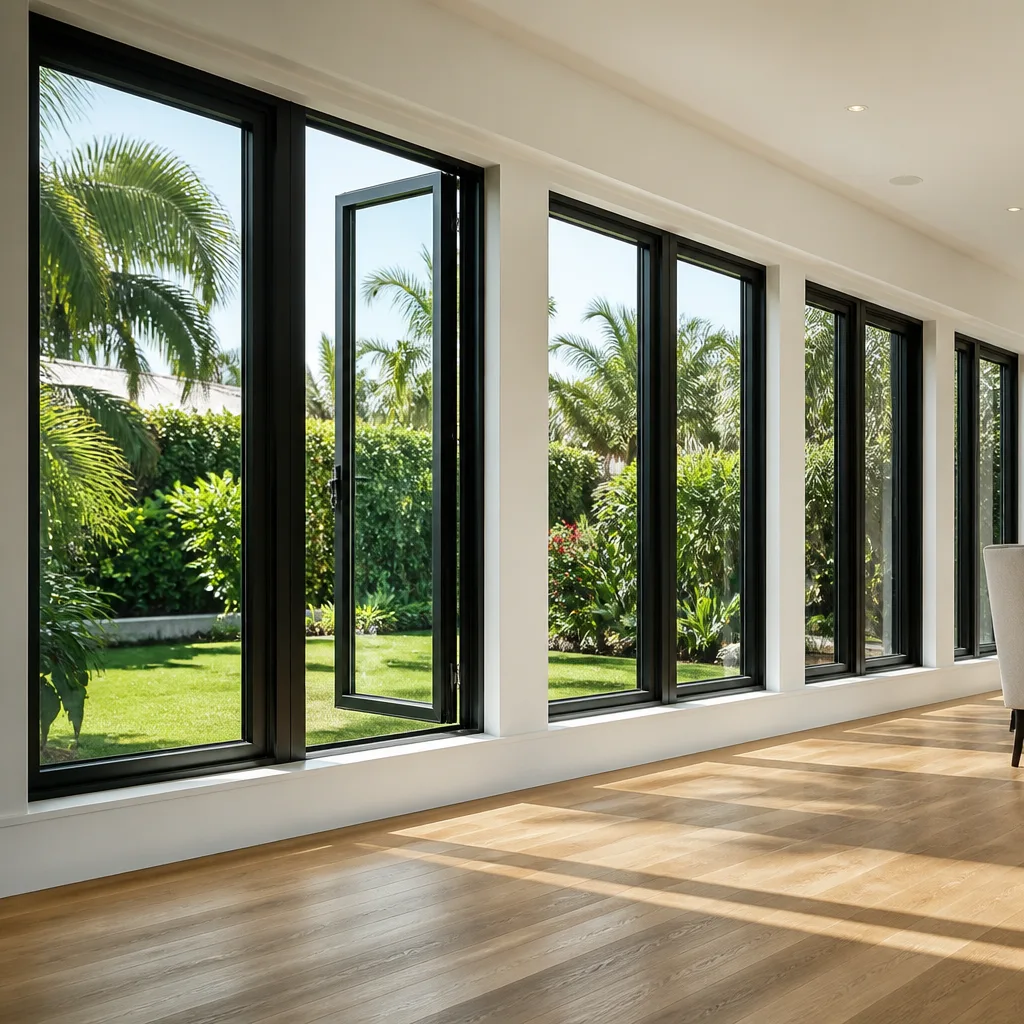
Product selection is half the equation. The installation determines whether the unit performs to its tested rating. West Palm Beach’s HVHZ adjacency means fastener schedules, flashing sequences, and buck conditions are specified in the NOA and enforced at inspection. We document every step with photographs the customer receives - Haven Clause 4, Evidence on every job.
Buck Condition and Preparation
The buck is the framed rough opening that receives the window or door. In West Palm Beach’s market, we encounter three common conditions:
- Wood buck (original construction, pre-1990s): Often found in El Cid, Flamingo Park, and Northwood historic districts. Must be inspected for rot, termite damage, and dimensional stability. We replace compromised wood with pressure-treated lumber and document the condition with photographs before unit placement.
- Metal buck (1980s-2000s construction): Common in condo conversions and multi-family. Requires isolation from aluminum frames to prevent galvanic corrosion. We use approved separation tapes and document the interface.
- Direct-to-masonry (block construction): Standard for newer single-family and commercial. Requires tapcon or expansion anchor schedules per the NOA, not generic concrete screws.
Fastener Schedule
HVHZ installations require fasteners at specific spacing, penetration depth, and edge distance. A typical single-hung window in a wood frame wall requires #10 x 3-inch stainless steel screws at 6 inches on center through the jambs and 4 inches on center at the sill and head - but the exact pattern is NOA-specific. We copy the fastener schedule directly from the product approval document onto our installation scope. The inspector compares our work to that document at rough and final inspection.
Flashing Sequence
- Apply self-adhered membrane to the sill, extending 6 inches up the jambs and onto the rough sill.
- Install end dams at the sill corners to prevent water migration.
- Place the window with positive slope to the exterior; shim to achieve level and plumb within 1/8 inch per foot.
- Apply jamb flashing in shingle fashion, lapping over the sill membrane.
- Install head flashing with positive drainage plane, lapping over the jamb flashing.
- Seal the interior with backer rod and approved sealant; do not fill the expansion gap with non-flexible material.
In our experience, failed inspections in West Palm Beach most commonly result from improper sill pan construction or fastener substitution. We photograph each layer of the flashing sequence and include these images in the customer’s documented photo record. If water intrusion occurs later, the installation documentation travels with the warranty claim.
Permit-to-Final Inspection: Realistic Timelines in West Palm Beach
Permit timelines vary significantly between the City of West Palm Beach and unincorporated Palm Beach County. Understanding the difference helps homeowners plan around seasonal occupancy and contractor availability.
City of West Palm Beach
The city’s Building Department processes window and door permits through an online portal with same-day or next-day issuance for straightforward replacements that do not alter opening dimensions. Inspection scheduling typically offers next-business-day availability. Our experience across jobs in Southland Park, Vedado, and the downtown corridor shows:
- Permit issuance: 1-3 business days
- Rough inspection (when required): 2-5 days after request
- Final inspection: 2-5 days after request
- Total timeline: 2-4 weeks from permit application to certificate of completion
The city requires rough inspection for any installation involving structural modification or buck replacement. Pure replacement-in-kind typically proceeds directly to final.
Unincorporated Palm Beach County
Properties west of the city limits - including portions of the Acreage, Loxahatchee Groves, and communities along Southern Boulevard - fall under Palm Beach County Building Division jurisdiction. Timeline extends due to higher volume and larger geographic inspection routing:
- Permit issuance: 3-10 business days
- Rough inspection: 5-10 days after request
- Final inspection: 5-10 days after request
- Total timeline: 3-6 weeks from permit application to certificate of completion
We pull permits as a standard service on every job, included in our written scope. The permit cost appears as a line item - typically $150-$400 depending on valuation - not buried in overhead. Our customers receive the certificate of completion and inspection sign-off sheets as part of their documented record.
Selecting Products by Performance Tier, Not Brand Name
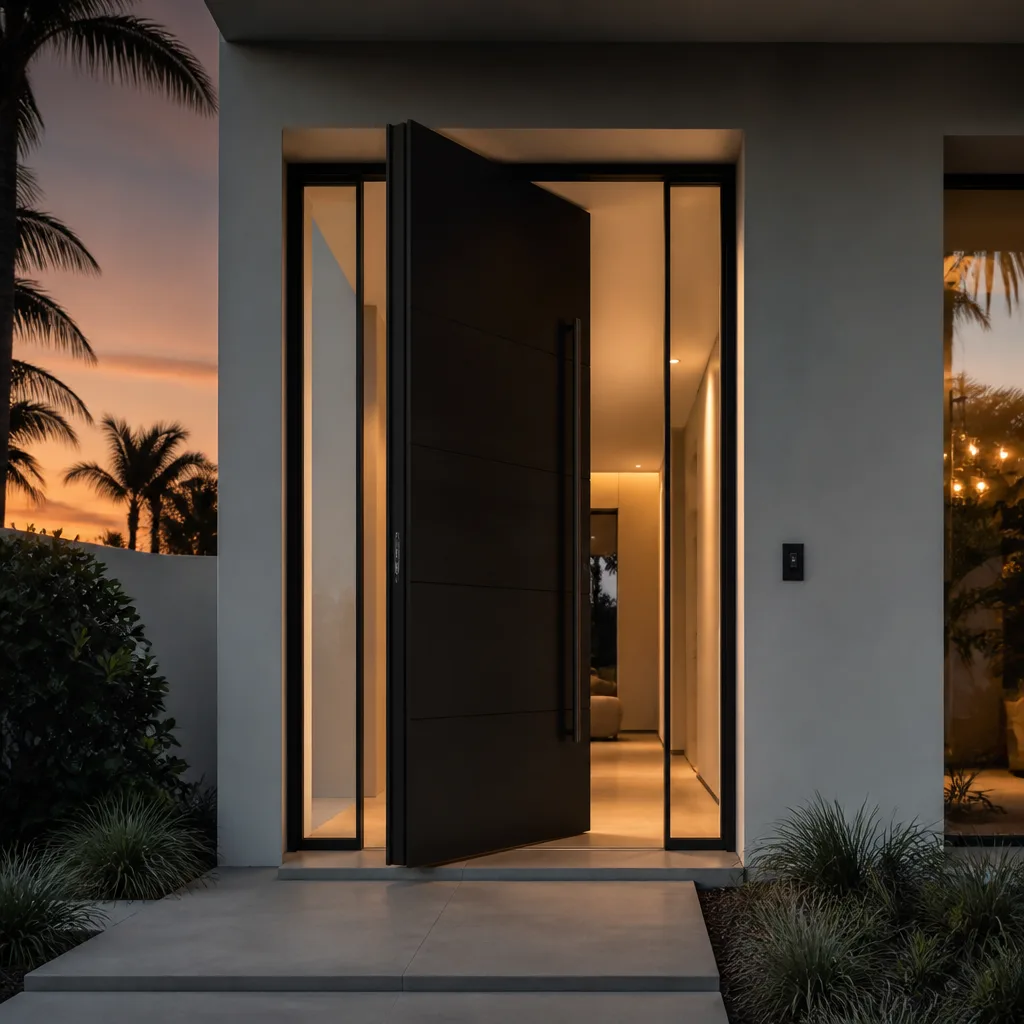
Our eight manufacturer lines - PGT, CGI, CWS, ES Windows, ECO Window Systems, Mr-Glass, Therma-Tru, and ViewLux - are specified by what the opening requires, not by what is in stock or what margin a brand offers. We categorize by performance tier and price range, then match to the customer’s priority.
Impact-Rated Essential Tier
PGT WinGuard and CWS 3120 series carry full Miami-Dade NOAs with DP ratings to +70/-70 psf. These are our most-specified lines for West Palm Beach single-family homes where insurance compliance and code minimum are the primary drivers. Installed prices fall in the lower half of our ranges. Frame profiles are substantial; sightlines are wider than premium lines. For homeowners in neighborhoods like Northwood or Pleasant City where historic character matters, we discuss how frame depth and sightline width affect interior trim conditions.
Energy-Optimized Tier
ECO Window Systems and Mr-Glass specialize in low-SHGC glazing packages with U-factors below 0.30. We specify these for west-facing walls in homes without mature tree cover, or for second-story installations where roof overhangs provide less solar shading. The price premium is 15-25% over essential tier, with payback through reduced cooling load typically in 7-10 years for West Palm Beach’s cooling-degree-day profile.
Architectural Premium Tier
CGI Estate Collection and ViewLux custom lines offer narrow sightlines, concealed hardware, and finish options including anodized aluminum and custom color matching. We specify these for El Cid, Flamingo Park, and waterfront properties where the window is a visible architectural element. Prices reach the upper end of our ranges; lead times extend to 8-12 weeks. The measured survey for these jobs includes sightline drawings the customer approves before fabrication.
Entry and Patio Door Specialists
Therma-Tru and ES Windows dominate our door specifications. Therma-Tru’s impact-rated fiberglass entry systems allow paint or stain-grade finishes with HVHZ engineering. ES Windows manufactures sliding and French door systems with matching window lines for whole-house consistency. We never mix door and window brands on the same elevation without documenting the visual transition for customer approval.
Every specification decision is recorded in the written scope, which the customer keeps. The quote cannot differ from this document - Haven Clause 1, and the founding principle of Sightline Windows & Doors West Palm Beach since 2012.
Common Mistakes to Avoid
- Assuming “impact-rated” means HVHZ-compliant. Many products carry impact ratings for Texas or Caribbean markets without Miami-Dade NOA. Verify the approval document, not the marketing claim.
- Ignoring the fastener schedule in the NOA. A contractor who uses their “standard screw pattern” instead of the tested pattern has voided the product warranty and created liability exposure.
- Selecting small missile-rated units for ground-floor openings. This passes in some Florida wind zones but fails in West Palm Beach’s HVHZ. The mistake is usually discovered at inspection, not during sale.
- Neglecting sill condition during replacement. Rot or settlement at the sill is common in pre-1990s West Palm Beach construction. Covering it with a new window traps moisture and accelerates frame failure.
- Accepting a verbal quote or phone estimate. Without a measured survey, there is no documented rough opening condition, no verified product size, and no basis for comparison. Our written scope exists precisely because we have seen the alternatives fail.
- Failing to verify permit inclusion. Some contractors price “permit extra” or expect the homeowner to pull their own permit. In West Palm Beach, owner-pulled permits on contractor work create insurance and liability complications.
- Overlooking SHGC in favor of U-factor alone. A window with excellent U-factor but high SHGC will increase cooling costs in West Palm Beach’s solar exposure. Both numbers matter; the local climate prioritizes SHGC.
When to Call a Professional
Window and door replacement in West Palm Beach is not a project for the general handyman or the homeowner seeking DIY vs Professional Windows & Doors: The West Palm Beach Homeowner’s Decision Guide weekend savings. The HVHZ code, permit requirements, and insurance implications create liability that extends well beyond the installation date.
Call a licensed, insured contractor - see our How to Hire a Windows & Doors Contractor in West Palm Beach: A Step-by-Step Guide - when: you cannot verify the NOA or Florida Product Approval number for a product you are considering; the rough opening shows water damage, termite evidence, or dimensional change; your property is in a historic district with design review requirements; or your insurance carrier has requested documentation of impact-rated protection. Sightline Windows & Doors West Palm Beach offers free estimates in West Palm Beach - call (561) 354-3861. Every estimate includes a measured survey you keep, a written scope with product specifications and approval numbers, and a fixed price that does not change once work begins. Our technicians are background-checked, uniformed, and identified by license number before arrival, per Haven Clause 3.
Frequently Asked Questions
Installed prices for impact window replacement in West Palm Beach range from $650 for a single-hung unit to $2,800 for a large fixed picture window, with most whole-home projects falling between $8,000 and $25,000 depending on opening count and product tier. Call (561) 354-3861 for a free estimate with written scope - our measurement and quote are the same document.
Yes. The City of West Palm Beach and Palm Beach County both require permits for window and door replacement, with inspection at final and sometimes rough stages. Permit costs typically run $150-$400 and are included as a line item in our written quotes. We pull permits as standard practice on every job.
Miami-Dade NOA is a specific engineering document for products tested to HVHZ standards; Florida Product Approval covers statewide wind-borne debris requirements that may not include HVHZ pressures. West Palm Beach requires Miami-Dade NOA for most residential applications. The approval number must match the specific product size and configuration ordered.
Physical installation of a typical replacement window takes 2-4 hours per opening. The full project timeline, including permit, inspection, and any stucco or trim repair, runs 2-4 weeks in the City of West Palm Beach and 3-6 weeks in unincorporated Palm Beach County. We provide a written schedule with every quote.
Many carriers offer wind mitigation credits for documented impact-rated protection, but the discount varies by policy and underwriter. We provide the NOA documentation, installation photographs, and inspection certificates that your agent needs to process the credit. The savings are between you and your carrier; our job is to deliver the evidence.
Mixing brands is technically possible but visually risky. Different frame depths, sightline widths, and finish textures create visible inconsistency at the exterior. We typically specify one manufacturer per elevation, or document mixed-brand transitions in the measured survey for customer approval before ordering.
The Bottom Line
Choosing windows and doors in West Palm Beach is an engineering decision sequenced by the building code: confirm HVHZ compliance through Miami-Dade NOA or Florida Product Approval, match DP rating and SHGC to your specific exposure and climate zone, verify that the installation follows the NOA fastener and flashing schedule, and document everything for insurance and resale. Price comes last, after performance is established. The homeowners who follow this sequence avoid failed inspections, coverage disputes, and the hidden costs of premature replacement. Those who start with frame color often learn the sequence the expensive way.
Written by Sonia Raman, Owner at Sightline Windows & Doors West Palm Beach, serving West Palm Beach since 2012.