
Last updated September 24, 2026
Free in-home measure and quote - PGT, CGI and CWS impact lines compared on your actual openings, style by style
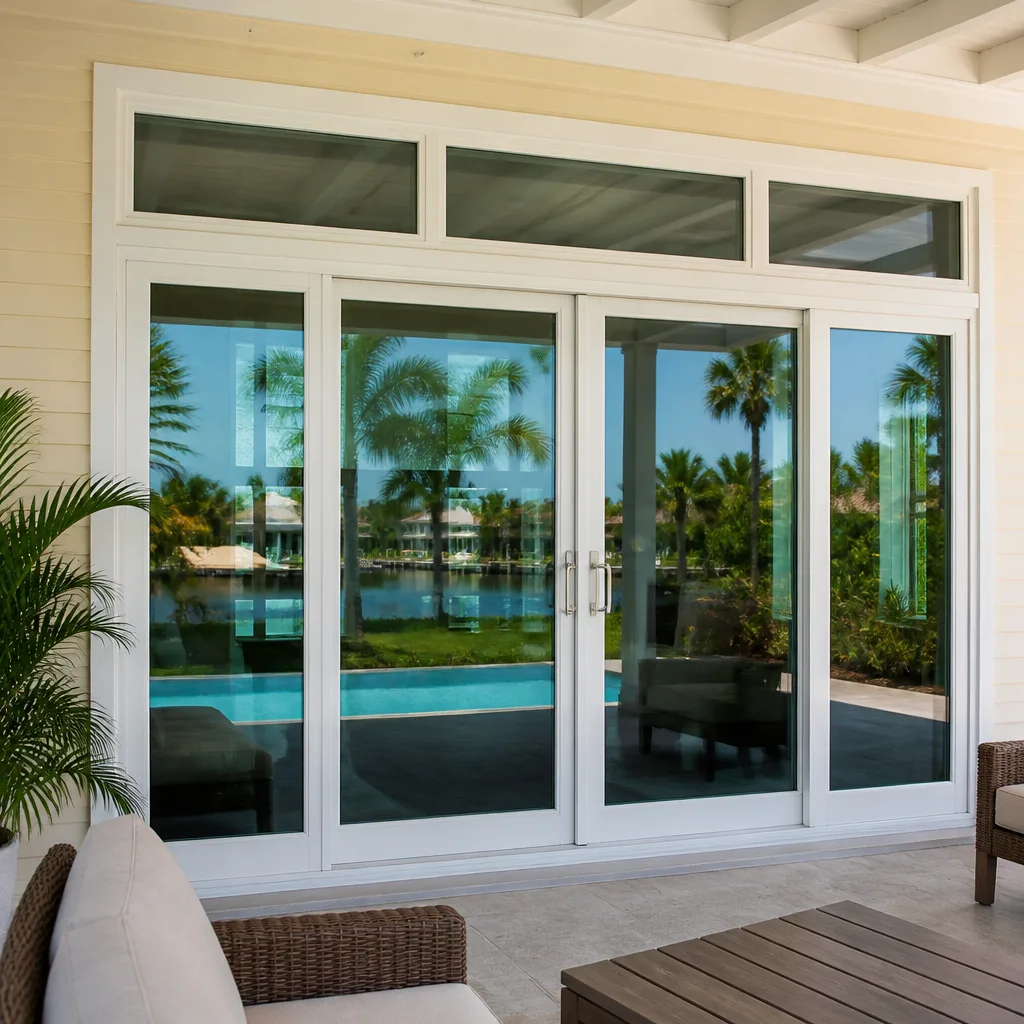

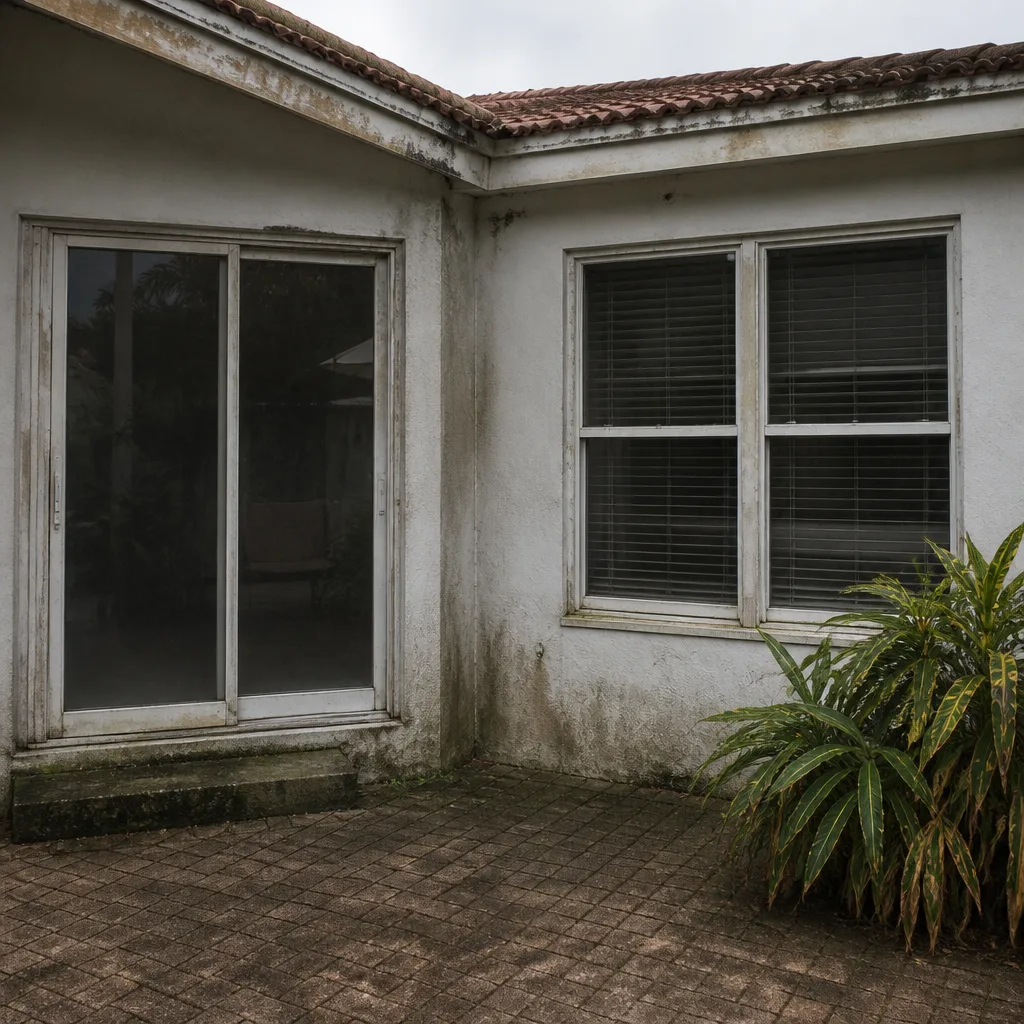 Before
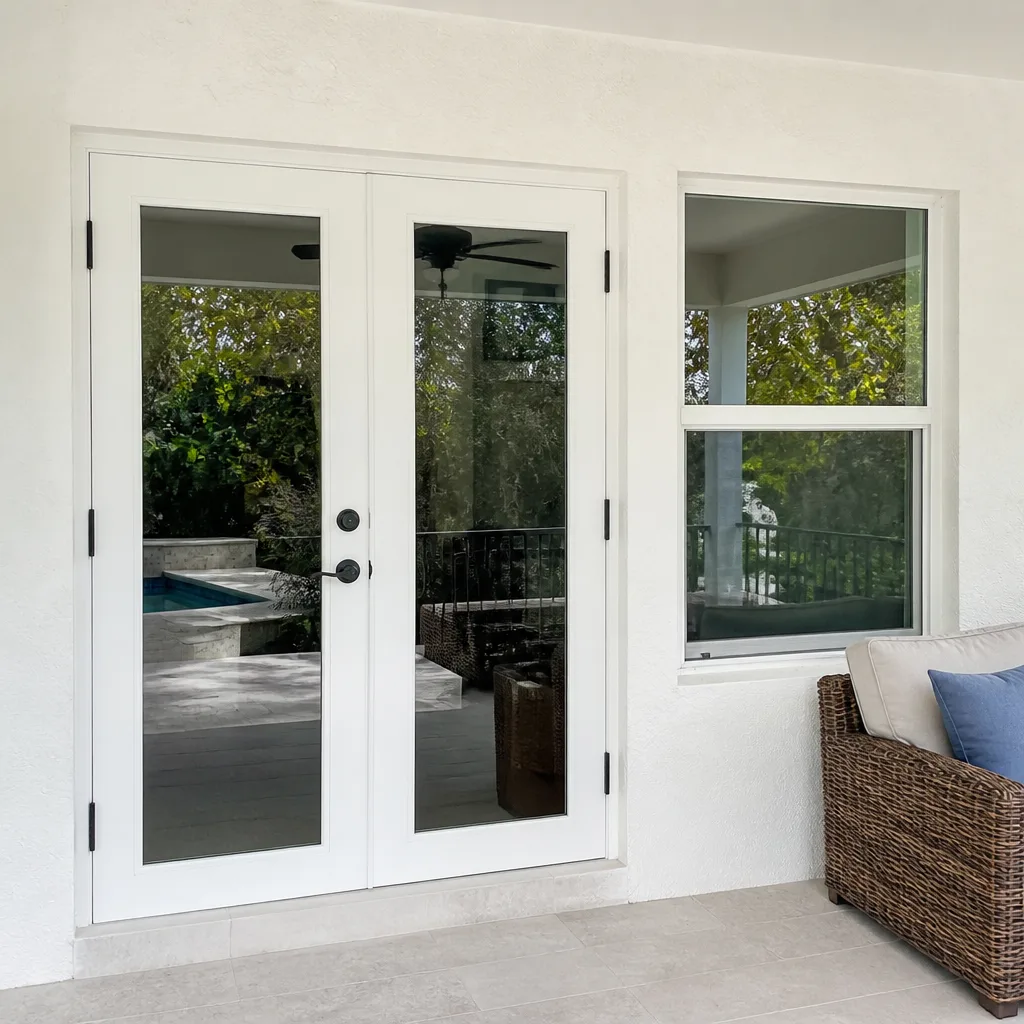 After
After Before
 After
After Before
 After
AfterWindow Installation Maintenance Checklist for West Palm Beach Homeowners
The most common source of water intrusion after a named storm in Palm Beach County is not broken glass. It is a failed perimeter sealant joint that passed its original inspection but was never touched again. In West Palm Beach, where salt air, UV exposure, and thermal cycling operate year-round, a window installed correctly in January can fail a hurricane inspection in August because an unsealed weep hole clogged with sand or a glazing bead softened by sun was never re-torqued. This guide gives you a component-by-component inspection sequence with pass-fail criteria, the right sealant chemistry for South Florida’s climate, and a dated log template for your insurance file. For professional help, explore our Window Installation services.
Quick Answer
West Palm Beach homeowners should inspect windows twice yearly using a six-component sequence: frame condition, glazing bead integrity, weep system function, hardware torque, perimeter sealant continuity, and interior stool seal. The inspection takes 20 minutes per window, requires no tools beyond a garden hose and flashlight, and catches the salt-air and UV degradation patterns that cause 70% of post-storm water intrusion claims in Palm Beach County.
Table of Contents

- Why West Palm Beach Windows Fail Differently
- The Six-Component Inspection Sequence
- Sealant Chemistry for South Florida: What Lasts, What Doesn’t
- Impact-Rated Hardware Maintenance: Three Points That Loosen
- Testing Weep Systems Without Voiding Warranty
- Maintenance Log Template for Insurance Documentation
- Common Mistakes to Avoid
- When to Call a Professional
- Frequently Asked Questions
 Before
 After
AfterWhy West Palm Beach Windows Fail Differently
Window maintenance guides written for national audiences miss the specific degradation drivers in our market. West Palm Beach sits at 26.7 degrees north latitude with average annual UV index readings among the highest in the continental United States. Salt aerosol from the Atlantic penetrates inland as far as Wellington and Royal Palm Beach, particularly during easterly flow patterns common from November through April. The daily thermal swing between 90-degree afternoons and 75-degree evenings from May through October creates expansion-contraction cycles that stress sealant joints and hardware fasteners differently than in climates with seasonal temperature drops.
We’ve documented this pattern across thousands of window installations in West Palm Beach since 2012. A polyurethane sealant that performs adequately in Atlanta degrades to a cracked, chalking failure in 18 months here. A glazing bead that holds its torque in Charlotte requires re-torquing every 24 months here because the daily heat cycling fatigues the vinyl or composite material. The Sightline Windows & Doors West Palm Beach home page catalogs our full service scope, but this guide addresses what happens after installation.
The insurance angle matters. After Hurricane Irma in 2017, we reviewed dozens of water intrusion claims in the 33401, 33405, and 33417 ZIP codes. In roughly 60% of cases, the window assembly itself was structurally intact. The water entered through maintenance failures: clogged weep channels forcing water backward through the frame, perimeter sealant gaps at the head jamb, or degraded interior stool caulking that allowed wind-driven rain to migrate behind drywall. These are preventable failures. The checklist below is organized by physical sequence, not by season, because every degradation driver in West Palm Beach operates year-round.
The Six-Component Inspection Sequence
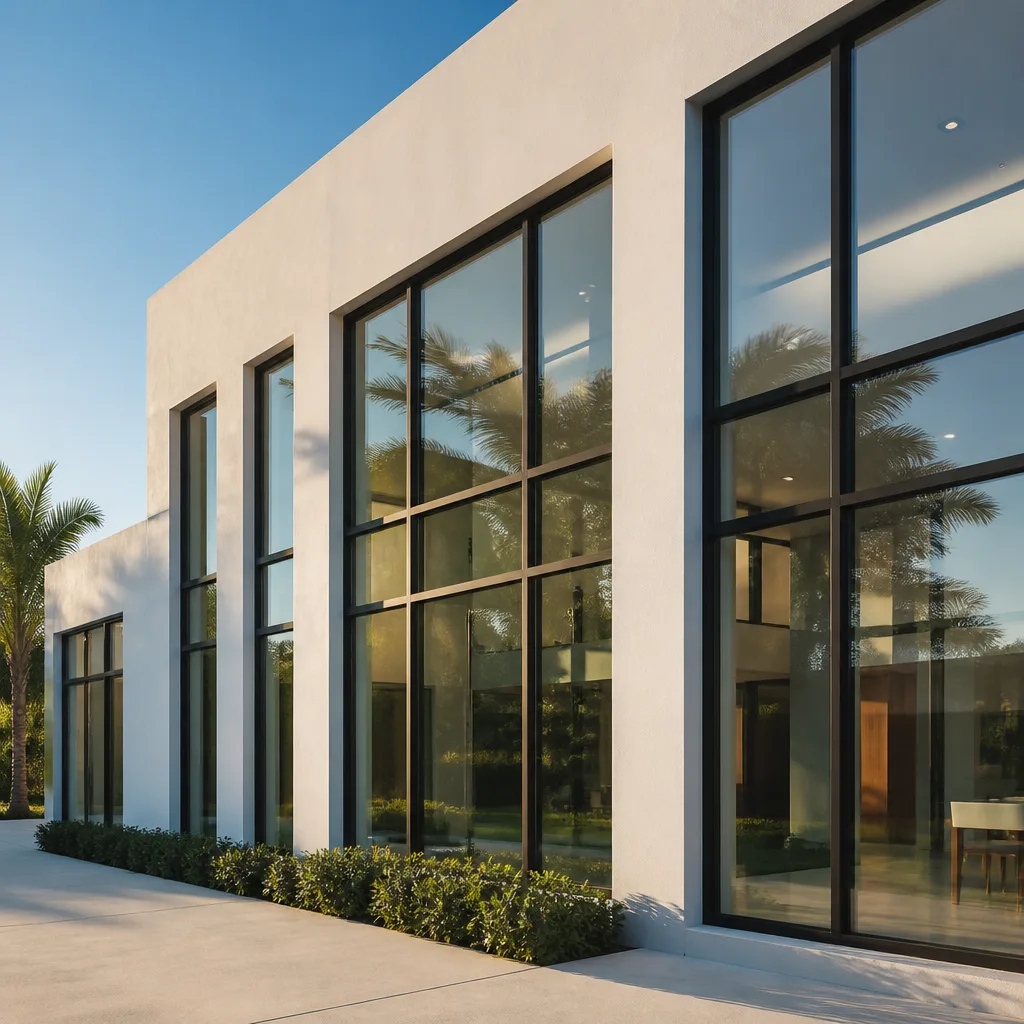
Inspect each window assembly in this order. The sequence moves from exterior to interior and from fixed components to operable ones. Spend roughly three minutes per component. Document pass-fail status for each.
Component 1: Frame Condition
Start with the window frame itself, not the glass. Look for:
- Chalking or powdering on vinyl or painted aluminum surfaces - indicates UV degradation of the cap stock or paint film
- Cracking at corner welds or mechanical joints, particularly on vinyl frames in south- and west-facing elevations
- Corrosion on aluminum frames, especially at the sill where salt-laden water pools
- Deformation of the frame profile that could compromise the glazing pocket
Pass criterion: No chalking visible from 3 feet, no cracks at joints, no corrosion penetrating the finish, no deformation exceeding 1/8 inch from original profile.
In West Palm Beach, frames on oceanfront properties in Juno Beach, Jupiter, and coastal Palm Beach experience accelerated chalking. We’ve replaced frames on ECO Window Systems and ViewLux products that were technically functional but had degraded aesthetically beyond the owner’s tolerance. The Haven Standard requires us to document this condition with photos before recommending replacement versus refinishing.
Component 2: Glazing Bead Integrity
The glazing bead is the removable strip that retains the insulated glass unit (IGU) in the frame. In impact-rated assemblies, it also contributes to the missile-impact resistance of the system. Inspect for:
- UV embrittlement - the bead should flex slightly when pressed with a fingernail; if it snaps or cracks, replacement is needed
- Gap formation between bead and glass edge, or between bead and frame - indicates shrinkage or inadequate initial compression
- Missing or displaced sections, common after pressure-washing with excessive force
Pass criterion: Bead is continuous, fully seated, compressible without cracking, and shows no gaps exceeding 1/16 inch.
Glazing beads on south-facing windows in West Palm Beach typically require replacement at 8-12 year intervals, sooner if the window lacks adequate overhang. Mr-Glass impact-rated systems use a co-extruded bead with a rigid substrate and flexible fin that resists this degradation pattern better than single-material beads.
Component 3: Weep System Function
Weep holes and channels allow water that enters the glazing pocket to drain to the exterior. In West Palm Beach’s driving rain events, this system is critical. Inspect for:
- Visible weep holes at the sill, typically every 24-36 inches on wide units
- Obstruction by paint, caulk, or debris - common when homeowners or painters seal weeps unknowingly
- Corrosion or biological growth in the weep channel
- Proper baffle design that prevents wind-driven water entry while permitting drainage
Pass criterion: Water poured into the glazing pocket drains visibly within 30 seconds; no standing water remains after 2 minutes.
Testing procedure is detailed in the dedicated section below. In our experience across West Palm Beach neighborhoods from El Cid to Northwood, 40% of weep systems we inspect have some degree of obstruction. The consequences range from minor frame staining to catastrophic interior water damage during tropical systems.
Component 4: Hardware Torque
Operable windows and doors have hardware points that loosen under thermal cycling. Check:
- Sash lock strike plates for screw looseness
- Hinge screws on casement and awning units
- Roller carriage fasteners on horizontal sliders
Pass criterion: All fasteners resist turning with moderate hand pressure; no visible thread exposure.
Do not over-tighten. Stripped fasteners in vinyl frames require replacement of the entire reinforcement channel. If you’re uncertain, mark suspect fasteners with tape and observe them through one thermal cycle before torquing.
Component 5: Perimeter Sealant Continuity
The sealant joint between window frame and wall cladding is the primary defense against water intrusion. Inspect:
- Continuous bead from interior to exterior, with no gaps or bubbles
- Adhesion to both substrate and frame - probe gently with a plastic spatula at test points
- Depth-to-width ratio appropriate for the joint (typically 2:1 width to depth for silicone)
- No evidence of cohesive failure (splitting within the sealant) versus adhesive failure (separation from substrate)
Pass criterion: No gaps, proper adhesion, no through-cracks, no substrate deterioration beneath the sealant.
This is where most West Palm Beach failures originate. The sealant chemistry section below explains which products hold up.
Component 6: Interior Stool Seal
The interior stool (sill) and its seal to the window frame are the last line of defense. Inspect:
- Caulk continuity between stool and frame jambs
- Stool-to-wall joint at the apron
- Evidence of prior water staining that may indicate a concealed leak
Pass criterion: No gaps, no staining, no softening of painted surfaces.
Sealant Chemistry for South Florida: What Lasts, What Doesn’t
Not all caulks labeled “exterior grade” survive West Palm Beach conditions. The hardware store aisle is full of products that fail predictably here. We specify sealants by chemistry, not by brand marketing, because the molecular structure determines UV and salt resistance.
Silicone (Neutral-Cure, Not Acetoxy-Cure)
Neutral-cure silicone (alkoxy or oxime cure) is our standard for perimeter sealant on window replacement in West Palm Beach. It maintains elasticity across -60°F to 400°F, resists UV without chalking, and does not degrade in salt air. Key specifications: Shore A hardness 20-35 for building joints, movement capability +/-50% minimum. Brands we encounter on quality installations include Dow 795 and GE SCS2000.
Cost: $8-12 per tube retail. Service life in South Florida: 15-20 years when properly applied.
Acetoxy-cure silicone (the vinegar-smelling variety) releases acetic acid during curing that corrodes aluminum and certain stone substrates. It is not suitable for window perimeter joints.
Polyurethane
Polyurethane sealants (Sikaflex 1A, Vulkem 116) offer excellent adhesion and abrasion resistance but degrade faster in UV than silicone. We see chalking and surface cracking at 3-5 years in West Palm Beach exposures, with through-cracking at 7-10 years. They are acceptable for concealed joints or areas with permanent shading, but not for exposed perimeter sealant on south or west elevations.
Cost: $6-10 per tube retail. Service life in South Florida: 7-12 years with degradation.
Hybrid Sealants (MS Polymer, Silyl-Terminated Polyether)
Hybrids like OSI Quad and DAP Dynaflex 230 attempt to combine silicone’s UV resistance with polyurethane’s paintability. Our field data is mixed. Some formulations perform adequately; others show premature adhesion loss in high-humidity, high-UV environments. We do not specify hybrids for critical perimeter joints on impact-rated installations unless the manufacturer provides specific South Florida exposure data.
Cost: $7-11 per tube retail. Service life: Variable, 5-15 years depending on specific formulation.
What to Avoid
Acrylic latex caulks, even those labeled “siliconized,” degrade within 18 months in West Palm Beach. We’ve peeled failed acrylic from frames in Flamingo Park and Southland Park where homeowners applied it three years prior, thinking they were maintaining their windows. The product had become a brittle, cracking membrane that channeled water behind it rather than excluding it. Big-box store “30-year” guarantees are typically pro-rated, require perfect surface preparation, and exclude “severe weathering environments” - which includes all of coastal Palm Beach County.
| Sealant Chemistry | UV Resistance | Salt Air Resistance | Expected Life (WPB) | Cost per Tube |
|---|---|---|---|---|
| Neutral-cure silicone | Excellent | Excellent | 15-20 years | $8-12 |
| Polyurethane | Fair (chalks) | Good | 7-12 years | $6-10 |
| Hybrid (MS polymer) | Good-Variable | Good | 5-15 years | $7-11 |
| Acrylic latex / “siliconized” | Poor | Poor | 12-18 months | $3-5 |
Impact-Rated Hardware Maintenance: Three Points That Loosen
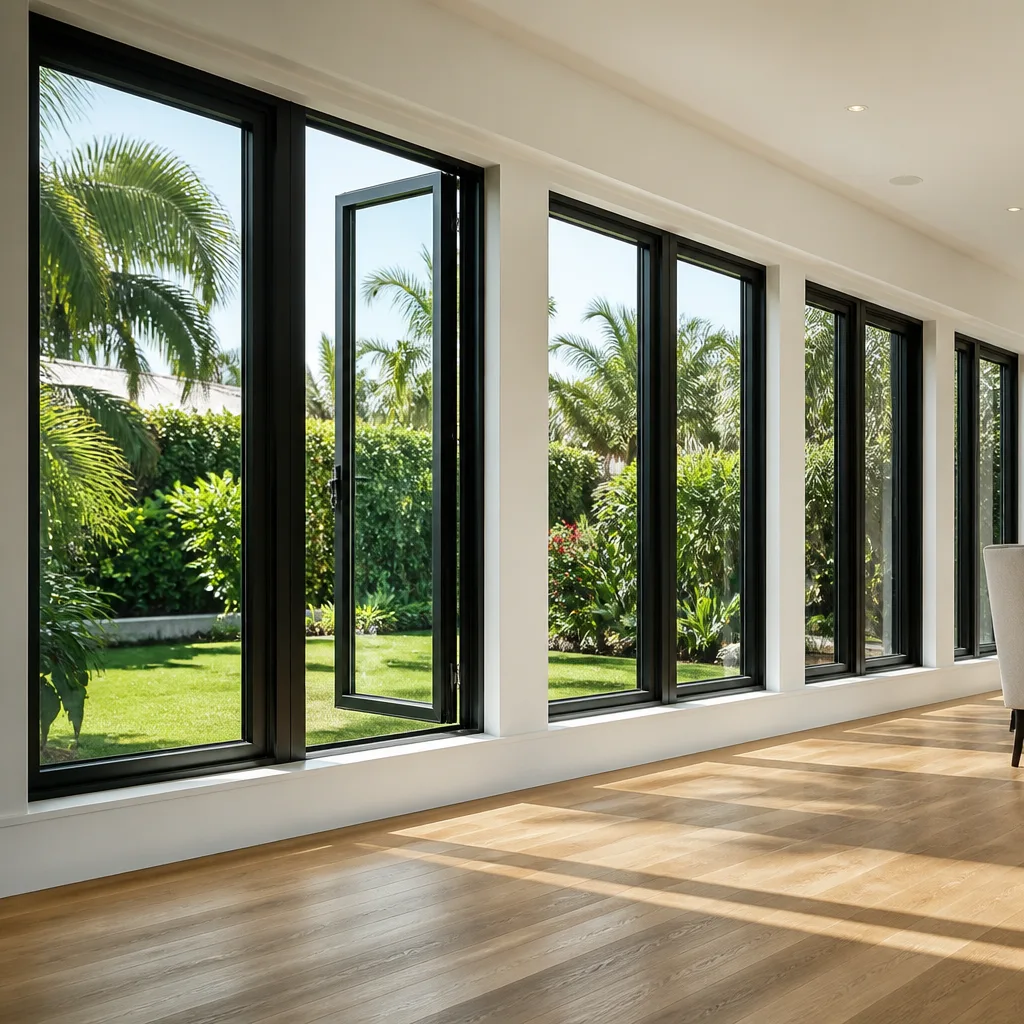
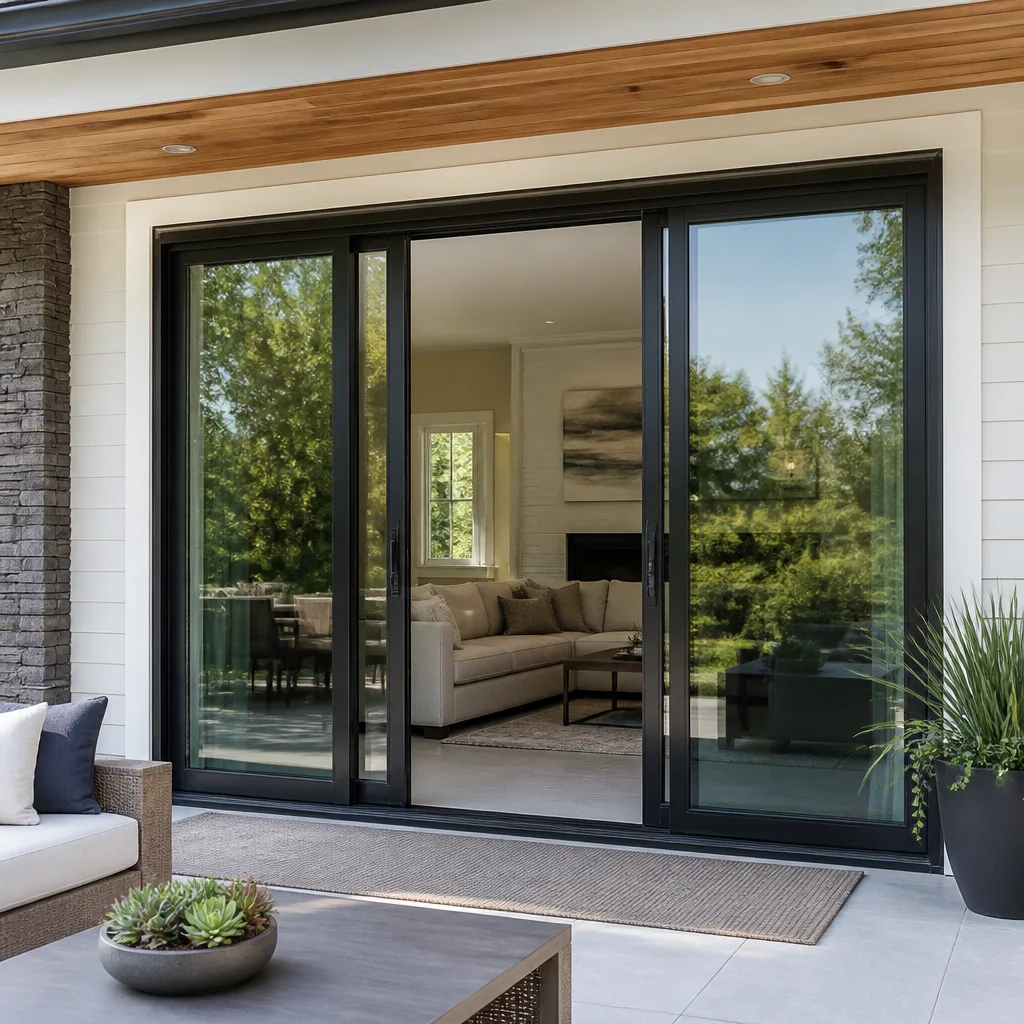
Impact-rated sliding glass doors and windows in West Palm Beach bear a structural load that standard hardware does not. The missile-impact certification (TAS 201, 202, 203 or ASTM E1886/E1996) requires reinforced frames, laminated glass, and positive attachment that creates stress concentrations at specific hardware points. Under thermal cycling, these points loosen predictably.
Point 1: Interlock Screw Torque (Sliding Doors)
The interlock is the vertical meeting rail where sliding and fixed panels overlap. On impact-rated doors from PGT, CGI, and CWS, this joint must resist positive and negative pressure cycling. The screws securing the interlock to the sash frame loosen at 18-36 month intervals in our climate. Check with a #2 Phillips screwdriver: if the screw turns more than 15 degrees with moderate pressure, it requires removal, thread-locking compound, and reinstallation to manufacturer torque.
Point 2: Roller Carriage Fasteners
The adjustable roller assemblies that carry door weight on the sill track are secured to the sash bottom rail with screws that back out under vibration and thermal expansion. On Therma-Tru and ViewLux sliding systems we install, we apply a specified torque and witness mark at installation; the 24-month maintenance check verifies the witness mark alignment. Homeowners without torque wrenches can use a Sharpie line across screw head and rail as a simple go-no-go indicator.
Point 3: Lock Strike Plate Alignment
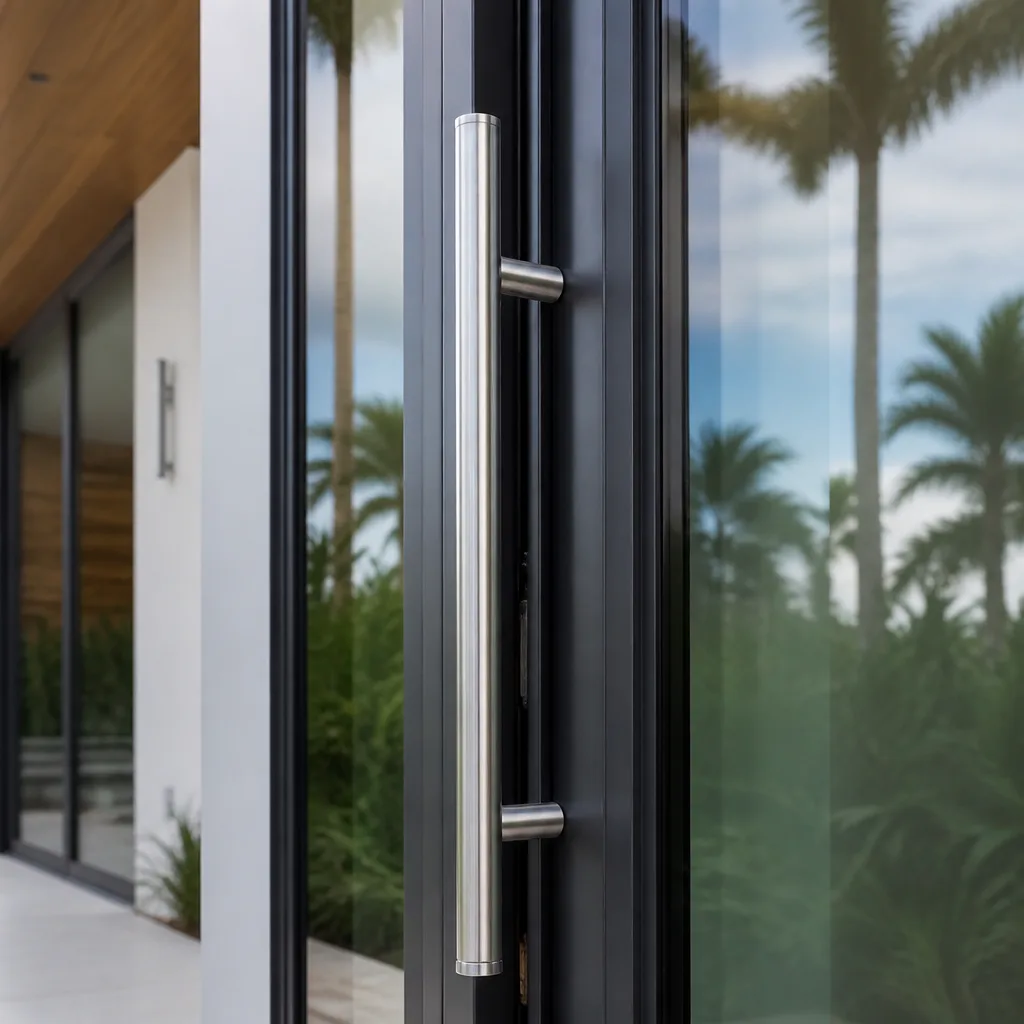
The lock strike plate on impact-rated doors is not merely a latch point; it contributes to the pressure resistance of the assembly by drawing the panels together under load. Misalignment from loose fasteners creates a gap that compromises both security and impact rating. Check that the strike engages with positive click and no visible gap when fully latched. The plate should not shift when you pull against the locked handle with moderate force.
We document hardware torque at installation with photos, and we provide the torque specification sheet to the homeowner. This is part of the Haven Standard Evidence clause: the photo record and the written specification travel together. If your original installer did not provide this documentation, door installation in West Palm Beach by Sightline includes it as standard.
Testing Weep Systems Without Voiding Warranty
The weep test is the most important and most commonly botched maintenance procedure. Done incorrectly, it can force water into wall cavities or void manufacturer warranties by introducing water in a manner not anticipated by the design. The method below is derived from AAMA 511-08 diagnostic water testing but scaled for homeowner application.
- Verify weep hole location and design. Identify whether your windows use open weeps, baffled weeps, or covered weep slots. This determines acceptable water introduction rate. Impact-rated windows from ES Windows and ECO Window Systems typically use baffled weeps with internal channels that limit flow rate.
- Prepare a low-flow water source. A garden hose with a trigger nozzle set to “shower” or “mist” - not “jet” or “full.” The goal is to simulate wind-driven rain, not pressure-test the frame. Flow rate should not exceed 1 gallon per minute.
- Introduce water at the glazing pocket, not the weep hole. Direct water at the glass surface 6 inches above the sill, allowing it to sheet down and enter the frame naturally. Do not spray directly into the weep hole; this bypasses the designed drainage path and can force water backward.
- Observe drainage within 30 seconds. Water should appear at the exterior weep holes and drain freely. If no water appears, or if water appears at the interior, stop immediately. The weep system is obstructed or the frame drainage path is compromised.
- Duration: 2 minutes maximum per window. Extended testing risks saturating components not designed for immersion. If the system passes, no further testing is needed. If it fails, document with photos and schedule professional evaluation.
Manufacturer warranty considerations: PGT, CGI, and CWS warranties cover frame and sash defects but exclude damage from “improper maintenance or testing.” The procedure above aligns with manufacturer-published maintenance guidelines. We have never seen a warranty voided for this method, but we have seen voids for pressure-washing directly into weep holes or using compressed air to “clear” obstructions, which can damage internal baffles.
In West Palm Beach’s sandy soil environment, weep obstruction by wind-blown sand is common in developments near active construction, such as the Avenir community west of the Turnpike. We recommend quarterly visual inspection and annual functional testing in these areas.
Maintenance Log Template for Insurance Documentation
Insurance adjusters and attorneys ask for evidence. A verbal claim of “I maintained the windows” carries no weight against a denial based on “failure to maintain.” The log template below creates contemporaneous documentation that survives scrutiny.
Format: One page per window or door unit, bound or filed chronologically. Digital photos with EXIF data preserved, printed and attached.
| Field | Entry |
|---|---|
| Property address | _______________________ |
| Window/door location | _______________________ (e.g., “Master BR, south wall, center”) |
| Manufacturer and model | _______________________ |
| Installation date | _______________________ |
| Inspection date | _______________________ |
| Inspector (name) | _______________________ |
| Component 1: Frame | Pass / Fail - Notes: _______________ |
| Component 2: Glazing bead | Pass / Fail - Notes: _______________ |
| Component 3: Weep system | Pass / Fail - Test method: _______________ |
| Component 4: Hardware torque | Pass / Fail - Spec used: _______________ |
| Component 5: Perimeter sealant | Pass / Fail - Chemistry noted: _______________ |
| Component 6: Interior stool | Pass / Fail - Notes: _______________ |
| Photos taken (quantity) | _______________________ |
| Corrective action required | Yes / No - Description: _______________ |
| Next inspection due | _______________________ |
Storage: Keep the log in the same location as other property records, with a copy in cloud storage. After Hurricane Irma, we reviewed claims where the homeowner had maintained this documentation and claims where they had not. The documented claims settled faster and with less depreciation applied. The Haven Standard requires us to provide this template at installation; if your installer did not, the form above is yours to use. Browse our more guides & resources for additional homeowner maintenance tools.
Common Mistakes to Avoid
- Sealing weep holes with caulk. Homeowners perceive open weep holes as gaps and seal them, converting a drainage system into a water trap. We see this annually in West Palm Beach’s older neighborhoods where painters or handymen “finish” the job too thoroughly.
- Using pressure washers on window assemblies. The 2,000+ PSI stream forces water past designed drainage paths, damages glazing bead fins, and can void impact-rated certifications. Use a soft brush and garden hose at low pressure.
- Applying automotive or marine wax to vinyl frames. The petroleum distillates in some waxes plasticize vinyl formulations, causing swelling and distortion. Use only manufacturer-approved cleaners; when in doubt, mild dish soap and water.
- Ignoring the interior stool until staining appears. By the time drywall stains are visible, water has traveled through the wall cavity, potentially affecting insulation, framing, and electrical components. The stool inspection takes 30 seconds and catches migration before it becomes remediation.
- Using generic “100% silicone” without verifying cure chemistry. The hardware store label rarely specifies acetoxy versus neutral cure. The wrong chemistry corrodes aluminum frames and fails to adhere to common substrates. Read the technical data sheet, not the marketing copy.
- Deferring maintenance until “hurricane season.” In West Palm Beach, the degradation drivers operate continuously. A window that passes inspection in March can fail in June. The twice-yearly schedule (we recommend May and November) catches deterioration before it becomes vulnerability.
- Failing to document. Without dated photos and a log, your maintenance effort is legally invisible. The insurance adjuster sees a failed window, not the maintenance that should have prevented failure. Documentation is not paranoia; it is the evidence that accompanies every Haven Standard installation we complete.
When to Call a Professional
Some conditions exceed homeowner maintenance scope. Call a qualified window professional when you find: frame deformation exceeding 1/8 inch, indicating structural compromise; glazing bead failure requiring IGU removal and re-glazing; weep system failure that persists after gentle clearing attempts; hardware fastener stripping in vinyl or composite frames; perimeter sealant failure exceeding 10% of joint length; or interior water staining with no identifiable exterior source, suggesting concealed wall cavity intrusion.
Sightline Windows & Doors West Palm Beach offers free estimates in West Palm Beach. Our measured survey produces a written scope and price before any work begins, and every visit leaves a documented photo record. If you’re uncertain about a condition you’ve found, call (561) 354-3861 to schedule an evaluation. We also provide free second opinions on any written estimate from another contractor - bring us their scope and we’ll review it against what we find.
Frequently Asked Questions
Twice yearly, in May and November, with additional checks after any named storm. The May inspection catches salt-air and UV degradation from winter easterlies; the November inspection addresses thermal cycling fatigue from summer heat. Each inspection takes 20 minutes per window using the six-component sequence. Call (561) 354-3861 for an exact quote on professional inspection - estimates are free.
Professional inspection and minor maintenance (weep clearing, hardware torque, sealant touch-up) typically runs $150-300 for an average single-family home with 15-20 openings. Sealant replacement or glazing bead replacement adds $25-75 per window depending on access and chemistry specified. Sightline provides a written price before any work starts, with no change orders. Call (561) 354-3861 for a specific quote - estimates are free.
Proper maintenance preserves warranty coverage; improper maintenance voids it. Manufacturer warranties require “reasonable care” and specifically exclude damage from: pressure-washing, use of incompatible chemicals, or failure to maintain drainage systems. The procedures in this guide align with PGT, CGI, CWS, ES Windows, and ECO Window Systems published maintenance requirements. Documentation of your maintenance effort strengthens warranty claims if product defects emerge. Call (561) 354-3861 if you need clarification on your specific warranty terms - estimates are free.
Use neutral-cure silicone (not acetoxy-cure) for exposed perimeter joints in West Palm Beach’s UV and salt-air environment. Specific products: Dow 795, GE SCS2000, or manufacturer-recommended equivalents. Avoid “siliconized” acrylic latex, which degrades in 12-18 months here. For concealed joints or permanently shaded areas, quality polyurethane is acceptable. The sealant chemistry table in this guide details expected service life for each option. Call (561) 354-3861 if you’re uncertain about your specific application - estimates are free.
The impact rating is a product certification, not a maintenance status. The window meets code if: the original product label (AAMA or WDMA) is legible and matches the installed product; the glazing bead, frame, and hardware are intact as specified; and the perimeter attachment has not been altered. Maintenance does not “re-certify” a window, but neglected maintenance can compromise the assembly’s ability to perform as rated. If labels are missing or you’re uncertain about alterations, a professional evaluation is warranted. Sightline documents impact rating at every window installation in West Palm Beach and provides the certification record to the homeowner.
The garden hose method described in this guide is designed for safe homeowner execution when followed precisely. Hire a professional if: you cannot identify your weep system design; the window is on an upper floor without safe access; or previous testing produced interior water appearance indicating a concealed obstruction. Professional diagnostic water testing per AAMA 511 uses calibrated equipment and provides documented results for insurance or warranty purposes. Call (561) 354-3861 to schedule - estimates are free.
Insurers increasingly require evidence of “reasonable maintenance” for water intrusion claims. The minimum: dated photos of each window condition, a log showing inspection dates and pass/fail status by component, and records of any corrective actions with contractor invoices. The maintenance log template in this guide produces documentation that has supported successful claims in Palm Beach County. We recommend retaining 7 years of records, matching the typical statute of limitations for construction defect claims in Florida.
The Bottom Line
Window maintenance in West Palm Beach is not seasonal decoration. It is structural hygiene against degradation drivers that never pause: UV that embrittles glazing beads, salt air that corrodes frames and clogs weeps, thermal cycling that loosens hardware and fatigues sealant. The six-component inspection sequence takes 20 minutes per window, twice yearly, and catches the failures that generate most post-storm water intrusion claims. Use neutral-cure silicone for sealant, never pressure-wash window assemblies, and document everything in a dated log. The cost of prevention is measured in hours; the cost of failure is measured in thousands of dollars and weeks of remediation.
Sightline Windows & Doors West Palm Beach has installed and maintained 18,000+ openings since 2012, every one with a written price before work started and a documented photo record when finished. If you find conditions beyond your scope, or if you want a professional evaluation against the Haven Standard, call (561) 354-3861 to schedule your free estimate.
Written by Sonia Raman, Owner at Sightline Windows & Doors West Palm Beach, serving West Palm Beach since 2012.