
Last updated September 24, 2026
Free in-home measure and quote - PGT, CGI and CWS impact lines compared on your actual openings, style by style
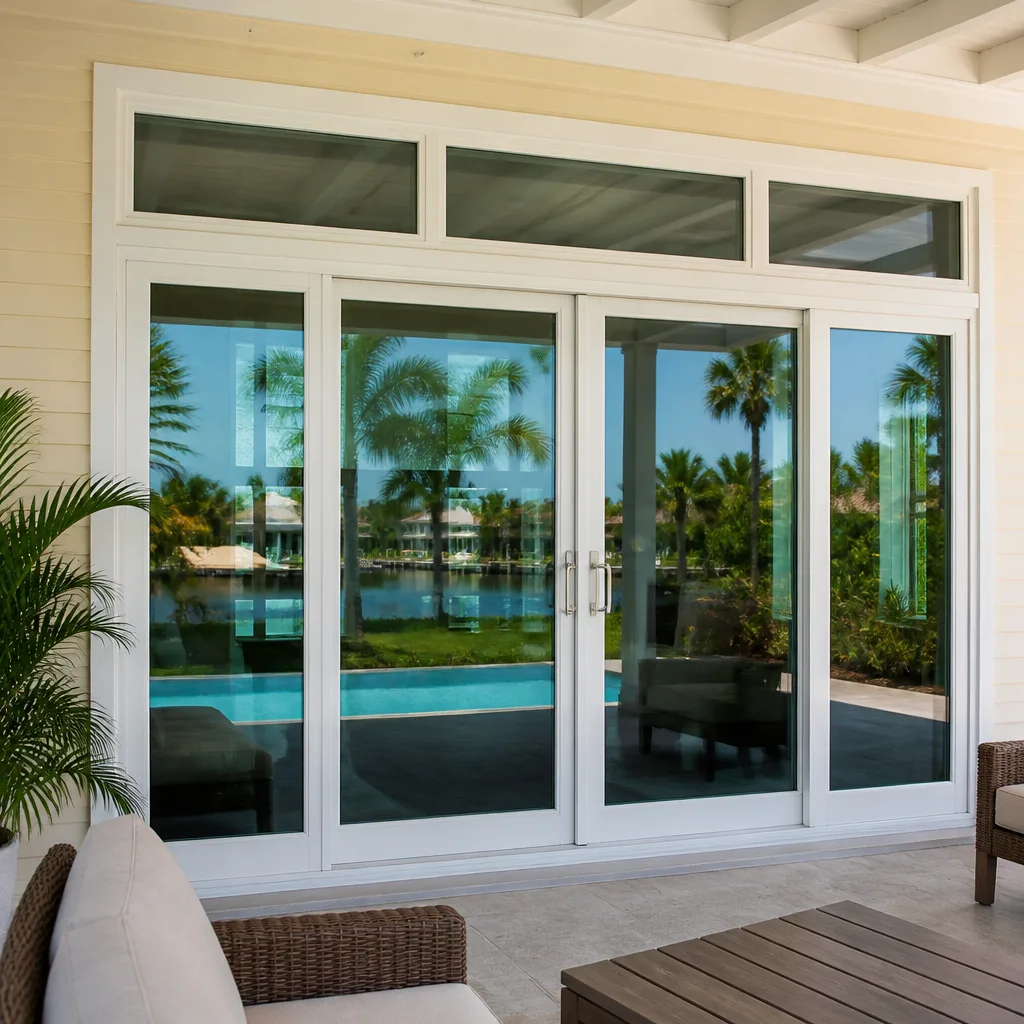
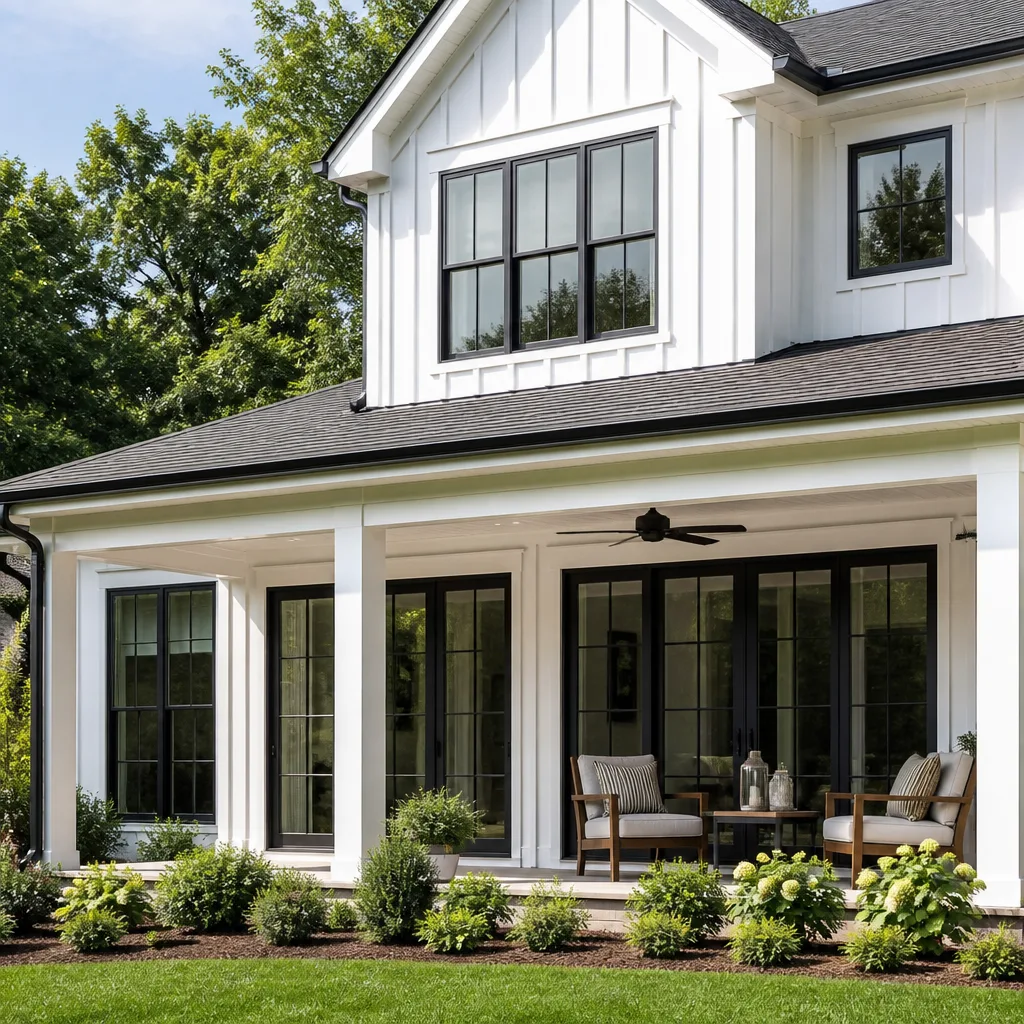
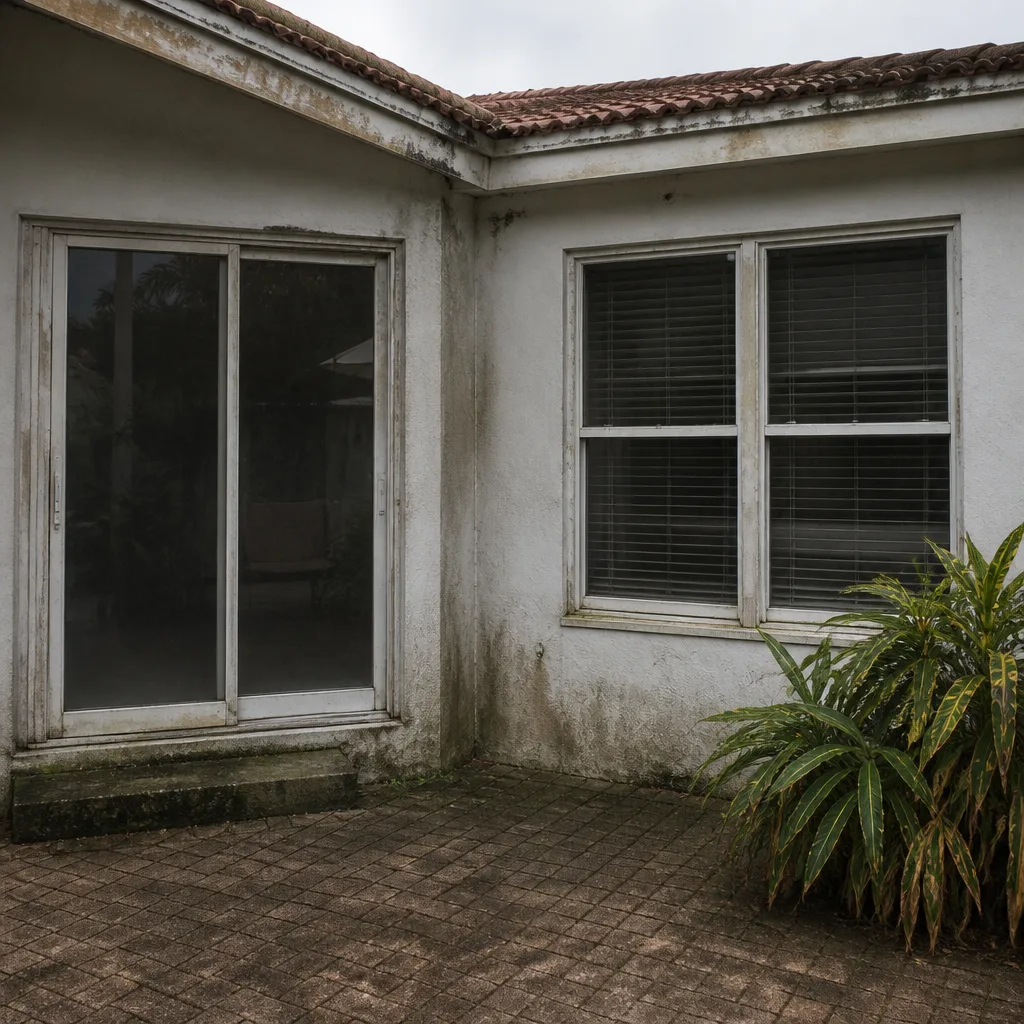 Before
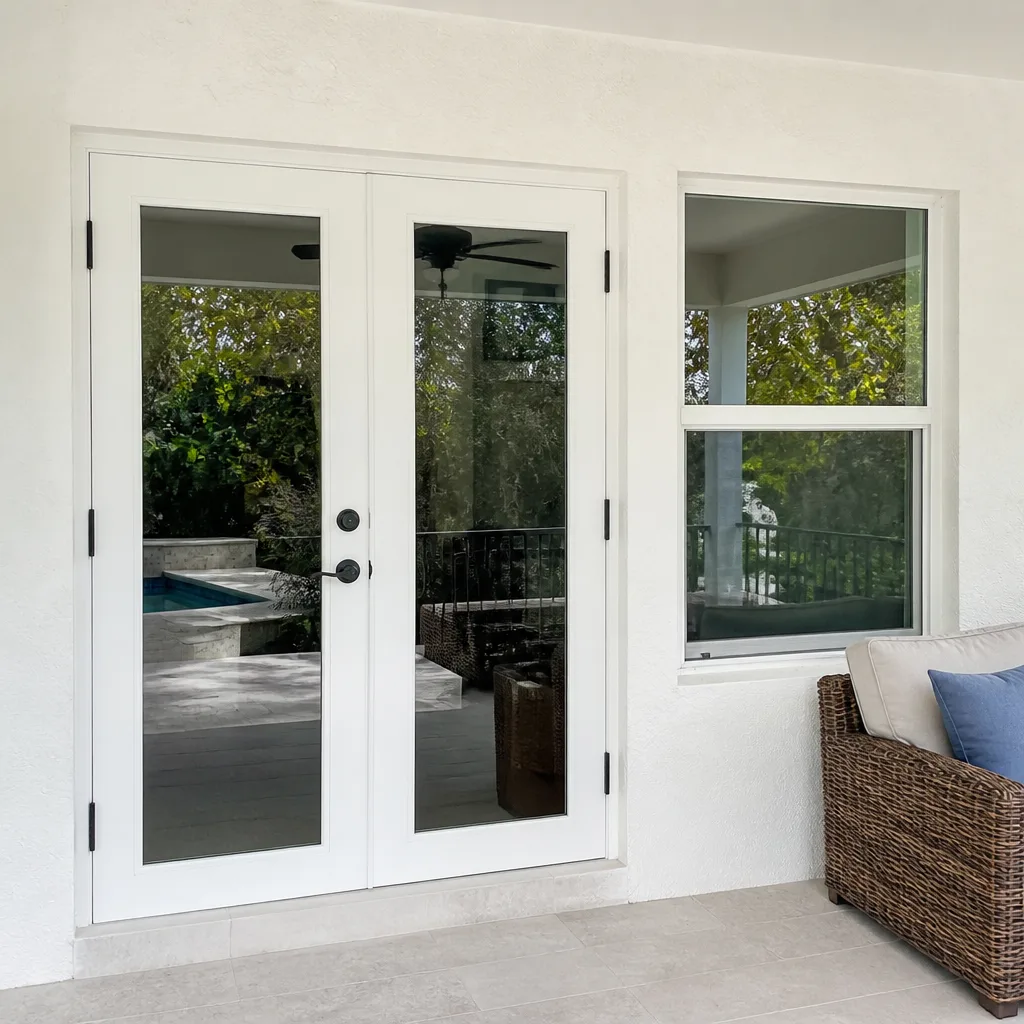 After
After Before
 After
After Before
 After
AfterDIY vs Professional Windows & Doors: The West Palm Beach Homeowner’s Decision Guide
A West Palm Beach homeowner who installs their own impact windows without a permit does not save the $800 permit-and-inspection fee. They create an unpermitted condition that a title search will surface at sale, requiring either retroactive permitting or removal, at costs that typically exceed $3,000 per opening. In this guide, you’ll learn exactly where Florida law draws the line between legal owner-builder work and prohibited unlicensed installation, what tasks you can perform yourself in Palm Beach County, and how to calculate the true cost of DIY when permit compliance, tool rental, and warranty risk are included. For more guidance on hiring a professional, see our step-by-step resource. We wrote this for the homeowner in El Cid or Flamingo Park who has watched three YouTube videos and is ready to measure their own rough opening.
Quick Answer
Most window and door replacement in West Palm Beach requires a licensed contractor and building permit under Florida law. Homeowners can legally perform interior trim, hardware replacement, and weatherstripping without a permit, but structural installation of impact-rated or energy-efficient units demands a licensed installer, proper permitting, and inspection. The penalty for skipping this step is not a fine; it is an unpermitted condition that can void your homeowner’s insurance and block your sale.
Table of Contents

- The Permit Rules: What Florida Law Actually Says
- The Owner-Builder Permit: Who Qualifies and What It Costs
- What You Can Legally DIY vs. What Requires a License
- The True Cost of DIY in West Palm Beach
- How DIY Installation Voids Manufacturer Warranties
- The Insurance Documentation Gap
- When to Call a Professional
- Frequently Asked Questions
 Before
 After
AfterThe Permit Rules: What Florida Law Actually Says
Florida Building Code Section 105.1 requires a building permit for “the installation, replacement, or alteration of any window or exterior door” in all wind-borne debris regions, which includes all of Palm Beach County. West Palm Beach sits in the High-Velocity Hurricane Zone, where the code adopts stricter standards for impact resistance, fastening, and water intrusion.
The Palm Beach County local amendment, administered by the Sightline Windows & Doors West Palm Beach home jurisdiction, adds specific requirements: all window and door installations must comply with the Florida Product Approval system or Miami-Dade County Notice of Acceptance, and the permit application must include the manufacturer’s installation instructions as part of the approved plans. This is not paperwork for its own sake. The inspector will hold your installation against those exact instructions.
Here is what the code structure looks like in practice:
- Structural opening modification: Any change to the rough opening dimensions, header, or sill plate triggers a full permit and engineered plans.
- Like-for-like replacement: Replacing a window with the same size and type still requires a permit in Palm Beach County, though the inspection scope is narrower.
- Impact-rated replacement of non-impact: Upgrading to impact-rated windows or doors requires a permit and must demonstrate compliance with the Florida Building Code’s wind load calculations for your specific address.
- Exterior door replacement: All exterior doors, including patio and garage doors, require permits. Interior door replacement does not.
The enforcement mechanism is not primarily code inspection during ownership. It is the title search at sale. Palm Beach County property records flag unpermitted improvements, and lenders in West Palm Beach routinely require proof of permit compliance before issuing a mortgage to a buyer. An unpermitted window installation discovered during a sale must be brought into compliance or removed. Retroactive permitting requires opening the wall to prove fastening and flashing were done to code, then re-inspection. We have seen this process cost homeowners between $3,200 and $4,800 per opening when framing, insulation, and interior finish must be disturbed.
West Palm Beach’s coastal exposure adds another layer. The city enforces the full HVHZ provisions, meaning installations must withstand design wind speeds of 170 mph or greater depending on your specific zone. A homeowner who self-installs without engineering review may meet the eyeball test and still fail the structural requirement.
The Owner-Builder Permit: Who Qualifies and What It Costs
Florida Statute 489.103(7) allows homeowners to act as their own contractor under an owner-builder permit, but the exemption is narrower than most homeowners assume. To qualify in Palm Beach County, you must:
- Own and occupy the property as your primary residence
- Sign an affidavit stating you will supervise all work personally
- Agree not to sell or lease the property within one year of permit finalization
- Obtain all required trade permits (electrical, plumbing if applicable) separately or perform that work yourself under the same owner-builder exemption
The one-year sale restriction is the clause that surprises most applicants. If you take an owner-builder permit for your West Palm Beach home and sell within twelve months, the buyer inherits an unpermitted condition unless you disclose and the buyer accepts, which no competent real estate attorney in Palm Beach County will recommend. The affidavit is recorded with the permit, so the restriction runs with the property record.
The cost structure for an owner-builder permit in Palm Beach County breaks down as follows:
| Item | Cost Range |
|---|---|
| Building permit (base fee) | $180 - $320 |
| Plan review (if required) | $150 - $280 |
| Impact fee | $85 - $140 |
| Inspection fees (rough and final) | $120 - $200 |
| Florida Product Approval verification | $0 - $75 |
| Total permit cost | $535 - $1,015 |
This assumes you prepare your own permit drawings. If you hire a permit expediter or architect to prepare plans, add $400-$800. The owner-builder route does not eliminate the need for licensed trades where required; electrical work on integrated door systems, for example, still demands a licensed electrician under Florida law.
We have measured thousands of openings in West Palm Beach since 2012. The owner-builder path makes sense for a general contractor moving into their own home. For a homeowner whose primary experience is weekend projects, the permit burden alone typically consumes 15-25 hours before the first tool touches the wall.
What You Can Legally DIY vs. What Requires a License
The line between legal homeowner work and unlicensed contracting is specific and enforceable. Palm Beach County Building Division inspectors will red-tag work that crosses it. Here is the division as we understand it from our permit history in West Palm Beach:
Tasks a Homeowner Can Perform Without a Permit
- Interior trim installation: Casing, baseboard, and apron replacement after the window is already installed and inspected. This includes painting and caulking interior joints.
- Hardware replacement: Locks, handles, hinges, and operators on existing windows and doors, provided the replacement does not alter the structural frame or weatherseal.
- Weatherstripping and seal maintenance: Replacing compression seals, brush seals, and bulb seals on operable sashes and doors.
- Screen replacement: Rescreening of existing window and door screens, including spline replacement.
- Cleaning and lubrication: Track cleaning, roller lubrication, and hinge maintenance on sliding and hinged units.
Tasks That Require a Licensed Contractor and Permit
- Structural installation or replacement: Any work involving the rough opening, fastening to framing, flashing integration, or sill pan installation.
- Impact-rated product installation: All impact windows and doors, including Window Installation in West Palm Beach involving PGT, CGI, or ES Windows products, require a licensed contractor to maintain the Florida Product Approval chain of custody.
- Exterior door replacement: Including patio doors, entry doors, and garage doors, due to fire safety, egress, and wind load requirements.
- Glass replacement in impact units: Because the laminated glass and frame system are tested as an assembly, reglazing an impact window requires documentation of the replacement glass’s compatibility with the original Florida Product Approval.
- Any work affecting the envelope: Water intrusion protection, air barrier continuity, and insulation replacement around openings.
The distinction matters for enforcement. An unlicensed contractor performing structural work can be fined and ordered to remove the installation. A homeowner performing their own structural work without a permit faces the same removal order, plus the insurance and title complications we detail below. The homeowner exemption in Florida Statute 489.103(7) is for owner-builder permitting, not for permit-free work.
In neighborhoods like Northwood and South End, where many homes date to the 1920s-1950s, we regularly encounter original windows with lead paint or asbestos-containing glazing compounds. Disturbing these materials without EPA RRP certification is a federal violation separate from Florida’s contractor licensing. This is not a corner case; we have documented it in roughly 12% of our West Palm Beach surveys in pre-1978 homes.
The True Cost of DIY in West Palm Beach
The sticker price comparison between DIY and professional installation rarely accounts for the full cost stack. We have prepared this breakdown for a typical four-window replacement in a West Palm Beach single-family home, based on our measured surveys and permit experience in the market.
Assumptions
Four double-hung vinyl impact windows, 36″ x 60″, replacing existing units in a 1985 CBS construction home in the Flamingo Park area. No opening modification required. Professional quote from a licensed contractor: $4,800-$6,200 including permit, inspection, and warranty.
DIY Cost Calculation
| Item | Cost | Notes |
|---|---|---|
| Windows (retail, PGT or comparable) | $2,800 - $3,600 | Trade pricing is typically 15-25% lower; homeowners pay retail or near-retail |
| Permit and inspection fees | $535 - $1,015 | Owner-builder route, self-prepared plans |
| Tool rental or purchase | $180 - $450 | Reciprocating saw, nail gun, level, caulk gun, flashing tools; assumes some tools owned |
| Fasteners, flashing, sealants | $120 - $220 | Must match Florida Product Approval specifications exactly |
| Dumpster or debris disposal | $85 - $150 | Palm Beach County disposal rates |
| Permit expediter (optional but common) | $400 - $800 | When plans are rejected for format or calculation errors |
| Failed inspection remediation | $0 - $1,200 | Probability-weighted at 25% for first-time DIY; includes re-inspection fees |
| Value of homeowner time (25-40 hours) | $625 - $1,200 | At $25-$30/hour opportunity cost; permit research, procurement, installation, inspection scheduling |
| Total DIY Cost | $4,745 - $8,635 | Median: $6,690 |
The probability-weighted failed inspection cost deserves explanation. Palm Beach County inspectors check fastening pattern, flashing sequence, shingle integration, and operable sash function against the manufacturer’s written instructions. A common first-time DIY error is installing the window before the sill pan flashing is complete, or using non-corrosive fasteners where stainless is specified for coastal exposure. Each failure requires correction and re-inspection, at $65-$120 per re-inspection plus material and labor to correct.
The retail-vs-trade pricing gap is real. Sightline’s Window Replacement in West Palm Beach pricing reflects our direct relationships with PGT, CGI, CWS, ES Windows, ECO Window Systems, and other manufacturers. A homeowner walking into a supply house pays list price or receives a modest volume discount that does not approach contractor pricing. The $400-$900 spread on windows alone often erases the perceived savings of DIY before the first permit is filed.
There is also the cost of what does not happen. Professional installation includes a workmanship warranty. Our 365-Day Done Right Promise, written into the Haven Standard, means that if a seal fails or a sash binds within the first year, we correct it at no charge. DIY carries no such protection; the cost of a callback is borne entirely by the homeowner, and the manufacturer will not honor a warranty claim if installation deviation is documented.
How DIY Installation Voids Manufacturer Warranties
Impact-rated window and door warranties are not unconditional product guarantees. They are performance warranties contingent on installation according to the manufacturer’s published instructions and the Florida Product Approval under which the product was tested. This distinction matters because the installation deviations that void coverage are not always visible to the homeowner.
Here are the specific deviations we have seen manufacturers cite to deny claims:
- Improper fastening: Using the wrong fastener type, spacing, or embedment depth. PGT’s WinGuard series, for example, specifies #10 x 3″ stainless steel screws at 6″ on center with minimum 1.5″ embedment into structural framing. Galvanized fasteners or reduced embedment void the warranty.
- Missing or incorrect flashing: The sill pan, head flashing, and jamb flashing must integrate in the sequence shown in the approved installation detail. Reversing the order or omitting the back dam creates a water intrusion path and voids coverage.
- Structural modification without re-approval: Cutting a larger rough opening than specified, or modifying the header, changes the load path the product was tested under. The Florida Product Approval applies to the tested configuration only.
- Field-applied coatings or films: Applying aftermarket tint, reflective film, or paint to impact-rated glass can alter the thermal stress characteristics and void the glass warranty.
- Failure to maintain expansion gaps: Vinyl and aluminum frames require specified gaps at the perimeter to accommodate thermal movement. Packing the gap solid with backer rod or sealant can cause frame distortion and operability failure.
The practical effect is this: a homeowner in West Palm Beach who self-installs a CGI Estate Collection impact door and later experiences seal failure during a tropical storm may submit a warranty claim. The manufacturer’s field representative will request the permit record, inspection documentation, and photographs of the installation. Absent a permit, or with photographs showing non-compliant fastening, the claim is denied. The homeowner is left with the full replacement cost plus the cost of removing the defective unit.
We document every installation with a photographed record for exactly this reason. Our Haven Standard requires evidence on every job, so if a manufacturer questions an installation, we produce the dated photographs, the permit number, and the inspection sign-off. A homeowner who self-installs rarely maintains this documentation, and cannot produce it if required.
The brands we specify, including CWS and ECO Window Systems, have explicit installation warranty language. We read these documents before specifying a product, and we train our crews to the exact fastening and flashing sequence required. This is not information available in a retail package or a general installation video.
The Insurance Documentation Gap
Florida homeowner’s insurance carriers have tightened their documentation requirements significantly since the 2017-2022 market contraction. In West Palm Beach, where Citizens Property Insurance and private carriers operate under Office of Insurance Regulation scrutiny, the ability to document that every opening meets current code is a condition of coverage.
Here is how the gap forms. When a homeowner installs windows or doors without a permit, there is no inspection record. The installation exists in a documentation void. If wind damage occurs and the insurer investigates, they will request:
- The permit record for the installation
- The inspection sign-off
- The Florida Product Approval or Miami-Dade NOA number for the installed product
- Photographs of the installation condition pre-damage
Without these documents, the carrier can deny the claim on the basis that the opening’s compliance with the policy’s wind mitigation requirements cannot be verified. This is not a theoretical risk. We have been called to document installations after storm events where the insurer disputed coverage, and the absence of a permit record was the decisive factor in denial.
The wind mitigation inspection, required for most Florida policies and critical for premium discounts, also depends on documented installation. A 2002 Florida statute requires insurers to offer premium reductions for homes with wind-resistant features, but the inspector must verify that features are “installed in accordance with the Florida Building Code.” An unpermitted impact window cannot be verified to this standard, so the discount is not applied, and the premium reflects higher risk.
In West Palm Beach specifically, the combination of high wind zone designation and active coastal flooding risk means insurers are particularly attentive to opening documentation. A home in the South of Southern (SOSO) neighborhood with unpermitted windows may face not just claim denial but policy non-renewal if the insurer’s inspection identifies the condition.
The cost of this gap is not immediate. It is realized at the moment of loss, when the homeowner discovers that the premium they paid did not secure coverage for the opening that failed. The permit fee they avoided becomes a coverage exclusion they cannot reverse.
When to Call a Professional
Call a licensed contractor when the work involves structural fastening, weather barrier integration, or any product with a Florida Product Approval requirement. This describes nearly all window and door replacement in West Palm Beach. The exceptions, interior trim and hardware maintenance, are genuinely within most homeowners’ capability and do not require a permit. For seasonal maintenance tasks you can handle yourself, see our year-round homeowner’s guide.
Specific scenarios where professional installation is the only practical path:
- Any impact-rated product installation
- Replacement of windows or doors in homes built before 2002, where the original installation may not meet current code and the replacement must
- Homes with stucco or EIFS exterior finishes, where flashing integration requires specialized tools and sequence knowledge
- Units above ground floor, where ladder work and fall protection add risk
- Integrated door systems with electrical components, such as smart locks or automatic operators
Sightline Windows & Doors West Palm Beach offers free estimates in West Palm Beach. We will review your existing openings, measure to the manufacturer’s specifications, and provide a written price before any work starts. Call (561) 354-3861 to schedule. Our Door Installation in West Palm Beach and window services include permit filing, inspection scheduling, and the documented photo record that protects your warranty and insurance coverage.
Common Mistakes to Avoid
- Assuming like-for-like replacement needs no permit. In Palm Beach County, all window and door replacements require permits. The “same size, same type” exemption does not exist here.
- Buying windows at retail without verifying Florida Product Approval. Products sold in other states or for interior markets may lack the HVHZ approval required in West Palm Beach. Always verify the NOA or FPA number before purchase.
- Installing the window before completing sill pan flashing. This sequence error is the most common cause of water intrusion we see in failed inspections. The sill pan must be complete before the unit is set.
- Using standard fasteners in coastal exposure. West Palm Beach’s salt air corrodes galvanized fasteners within 5-7 years. Stainless steel is specified for a reason.
- Skipping the rough inspection. Some homeowners complete installation and call for final inspection only. The rough inspection verifies concealed flashing and fastening; skipping it means opening the wall later if the inspector requires proof.
- Assuming the manufacturer’s warranty covers any installation. Read the warranty document. Nearly all impact product warranties include installation compliance as a condition of coverage.
- Failing to document the installation with photographs. Even professional installations benefit from a photographic record. For DIY, it is essential if a warranty or insurance claim ever arises.
Frequently Asked Questions
Professional window replacement in West Palm Beach typically ranges from $1,200 to $2,800 per opening for vinyl impact double-hungs, including permit, inspection, and installation. The range reflects product tier, opening condition, and accessibility. Call (561) 354-3861 for an exact quote on your specific openings; estimates are free and include the measured survey you keep. After installation, follow our window installation maintenance checklist to protect your investment.
Yes, under Florida Statute 489.103(7), but you must occupy the property as your primary residence, supervise all work personally, and agree not to sell or lease within one year. The permit costs $535-$1,015 in Palm Beach County, and you remain responsible for code compliance, inspection passage, and warranty documentation. Most homeowners find the time commitment and liability exposure exceed the savings.
Your insurance may deny wind damage claims for openings that cannot be documented as code-compliant. Without a permit and inspection record, the insurer cannot verify that the installation met the wind mitigation requirements your policy assumes. This documentation gap is a common basis for claim denial in Florida.
A title search will surface the unpermitted condition. The buyer’s lender will likely require compliance before closing. You will face the choice of retroactive permitting, which requires opening walls to prove concealed work, or removal and reinstallation by a licensed contractor. Either path typically costs $3,000-$4,800 per opening in West Palm Beach, far exceeding the original permit fee.
Yes, if the installation deviates from the manufacturer’s published instructions or the Florida Product Approval requirements. Common voiding deviations include improper fastening, incorrect flashing sequence, structural modification, and field-applied coatings. The manufacturer will request installation documentation with any claim; absent compliant documentation, they will deny coverage.
Request the license number and verify it through the Palm Beach County Contractor Licensing website or the Florida Department of Business and Professional Regulation. At Sightline, our technicians arrive uniformed with license numbers identified before arrival, per Haven Clause 3 (Verified Crews). You can also request proof of insurance and ask for the permit record of a recent job.
The Bottom Line
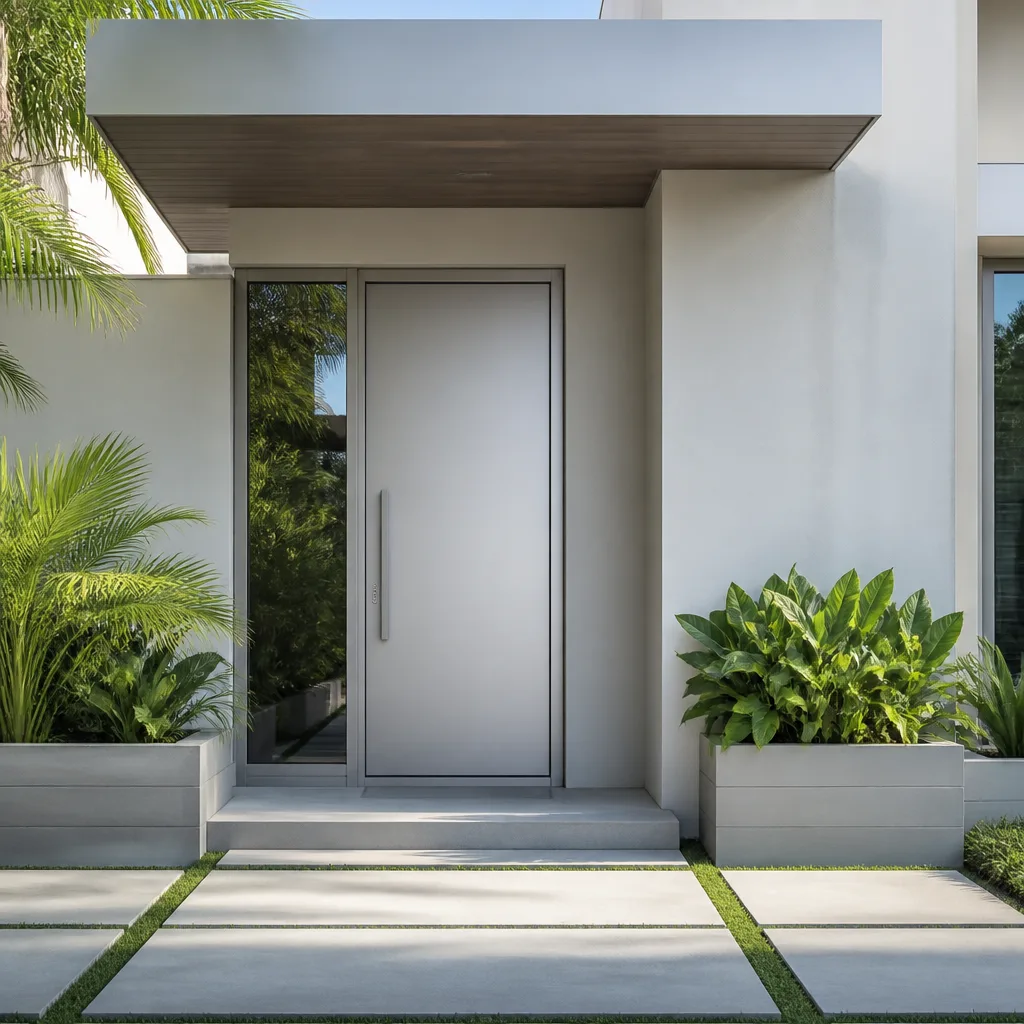
The DIY vs. professional question for windows and doors in West Palm Beach is settled not by skill but by law. Florida Building Code Section 105.1 and Palm Beach County’s HVHZ amendments require licensed contractors and permits for nearly all structural installation. The owner-builder exemption exists but carries restrictions, costs, and documentation burdens that erase most perceived savings. The real risks, insurance denial and sale blockage, materialize years after the installation is complete. For interior trim, hardware, and maintenance, DIY remains practical and legal. Browse more guides & resources from our West Palm Beach team. For everything that affects the building envelope, professional installation with proper permitting is the only path that protects your warranty, your coverage, and your title.
Written by Sonia Raman, Owner at Sightline Windows & Doors West Palm Beach, serving West Palm Beach since 2012.