
Last updated September 24, 2026
Free in-home measure and quote - PGT, CGI and CWS impact lines compared on your actual openings, style by style
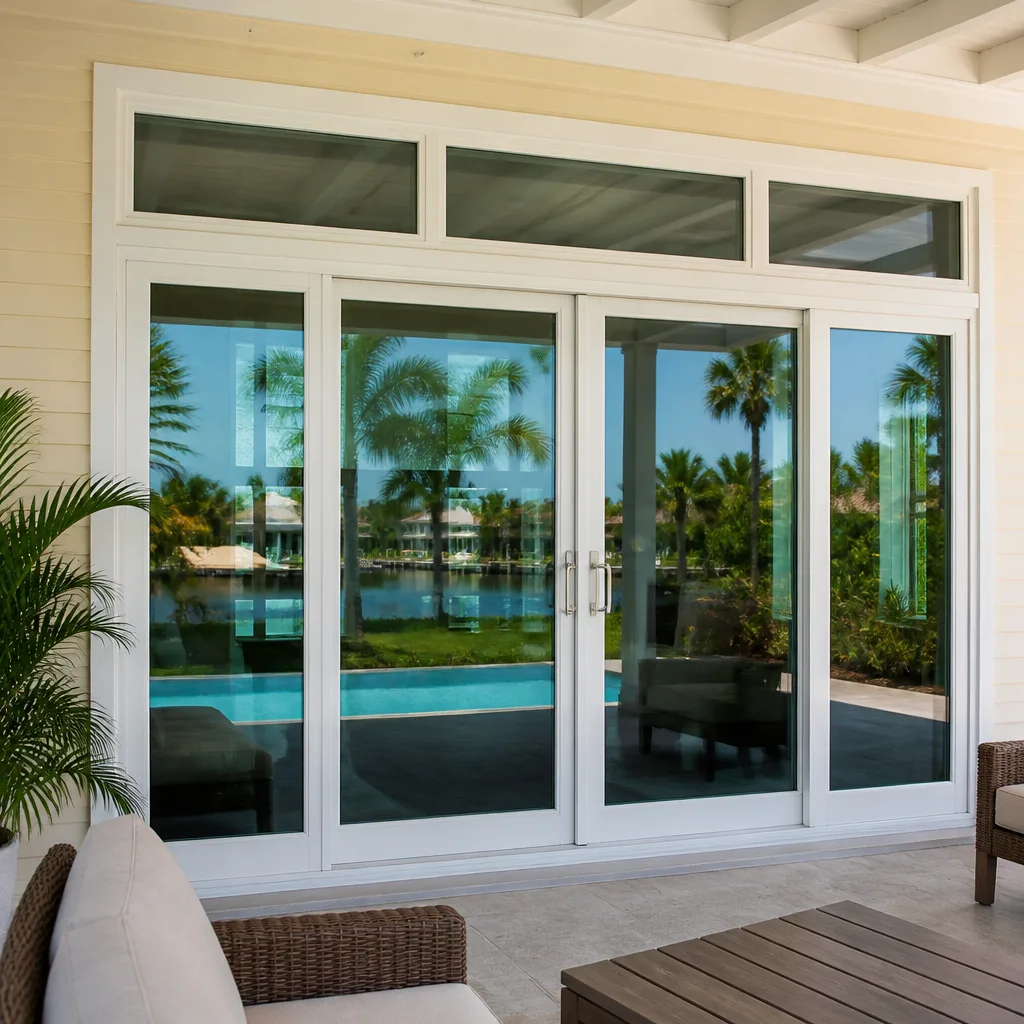
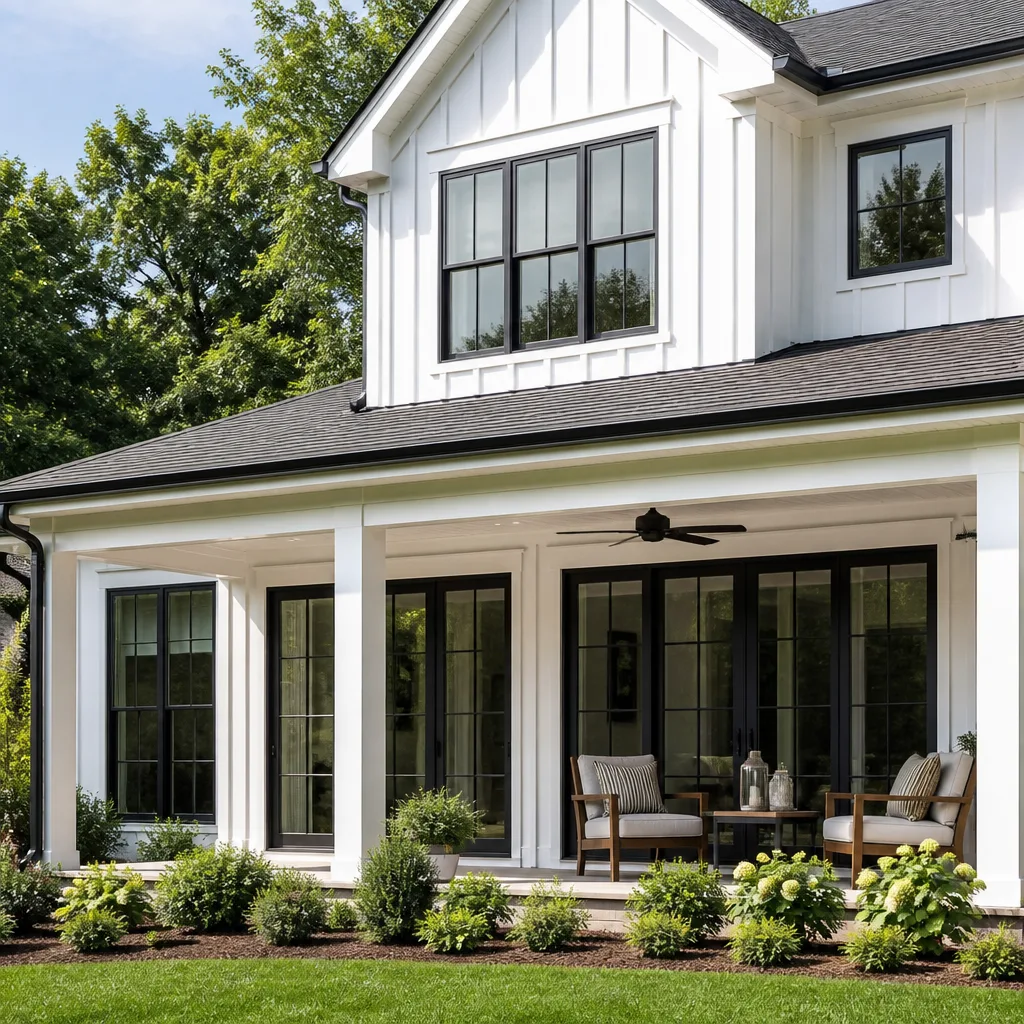
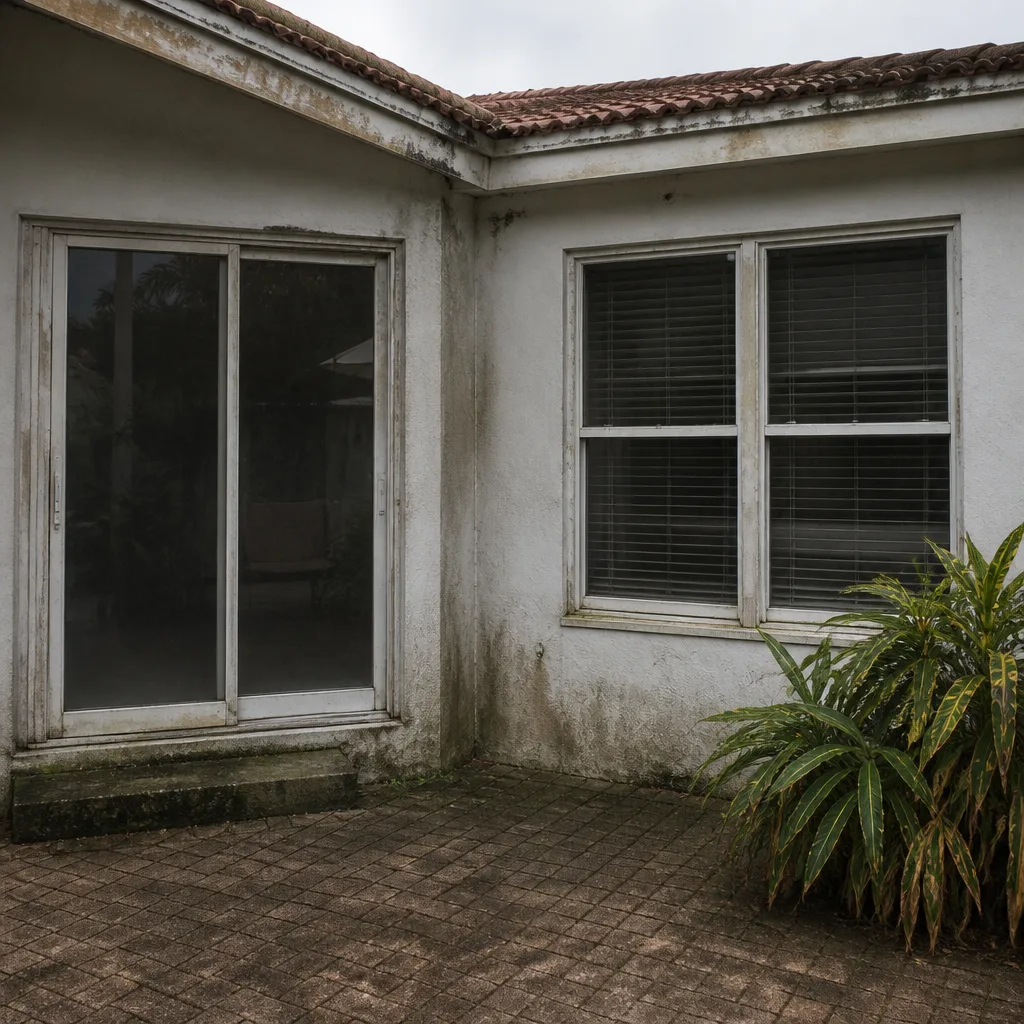 Before
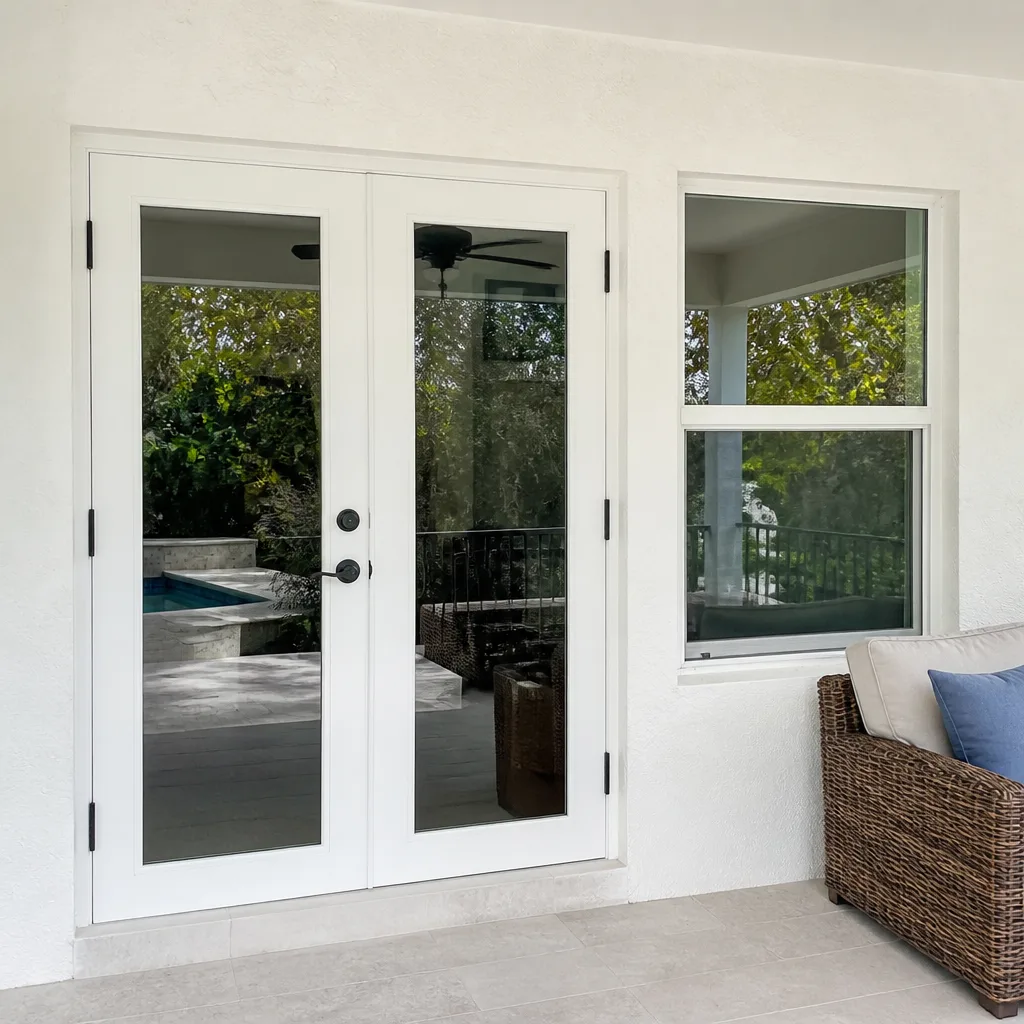 After
After Before
 After
After Before
 After
AfterHow to Hire a Windows & Doors Contractor in West Palm Beach: A Step-by-Step Guide
Florida’s DBPR license lookup will show “active” for a painting contractor, a roofing contractor, and a certified window installer - the system does not flag when a crew licensed for one trade is pulling permits for another. In West Palm Beach, we’ve seen homeowners discover this gap only after the inspector fails the job and the crew disappears. This guide walks you through the exact verification sequence, the document checklist, and the contract clauses that keep you from becoming that homeowner, and points you to more guides & resources for ongoing maintenance.
Quick Answer
Hiring a windows and doors contractor in West Palm Beach requires verifying three things in sequence: the correct Florida license classification (CBC, CGC, or window/door specialty), an active workers’ compensation policy, and a written scope-of-work that includes opening dimensions, product model numbers with NOA references, and explicit permit responsibility. The lowest bid is rarely the cheapest job; it’s usually the one that omitted permit fees, inspection re-visits, and stucco remediation around the new buck.
Table of Contents
- Step 1: Verify the Correct License Classification
- Step 2: Confirm Insurance and Workers’ Compensation
- Step 3: Demand a Written Scope-of-Work Before Any Price
- Step 4: Ask the Five Questions That Reveal Who Actually Pulls Permits
- Step 5: The Three Contract Clauses That Protect You When Inspections Fail
- West Palm Beach Climate and Code Considerations
- Your Pre-Signing Document Checklist
- Common Mistakes to Avoid
- When to Call a Professional
- Frequently Asked Questions
 Before
 After
AfterStep 1: Verify the Correct License Classification
The Florida Department of Business and Professional Regulation (DBPR) issues license numbers, but it does not police scope. A contractor with a valid painting license can legally operate a business, advertise services, and sign contracts - yet lack the classification to pull structural window and door permits in West Palm Beach. This is where most vetting processes fail.
Here’s what the license categories actually mean for your project:
- CBC (Certified Building Contractor): Permitted to perform structural work on buildings up to three stories. This classification can pull permits for window and door installation involving structural modification, including enlarging openings or installing impact-rated systems in non-impact openings.
- CGC (Certified General Contractor): Unlimited scope. Can perform all window and door work, including high-rise and commercial, but many CGC holders subcontract window work to specialists rather than self-performing.
- Window and Door Specialty (SCC or county-equivalent): Specifically limited to window and door installation. In Palm Beach County, this is often the most relevant classification for residential replacement work, but verify the holder is not operating under a third-party qualifier arrangement.
To verify, go to myfloridalicense.com, enter the license number from the contractor’s card or proposal, and click through to the full record. Check three fields:
- License Type: Must read CBC, CGC, or Window/Door Specialty - not CPC (painting), CRC (roofing), or CFC (electrical).
- Status: Must be “Active” with no pending disciplinary actions.
- Business Information: The name on the license must match the name on your contract exactly. A common evasion tactic in West Palm Beach is operating under a DBA that differs from the licensed entity.
We’ve arrived at jobs in El Cid and Flamingo Park where the homeowner verified the number existed but never checked the category. The crew was licensed for flooring. The permit was pulled by a third party who never visited the site. When the inspector flagged the fastening schedule, the flooring contractor had no standing to dispute the finding and the qualifier had already moved on to the next job.
Screen-capture the DBPR record. Email it to yourself with a timestamp. This is your first document.
Step 2: Confirm Insurance and Workers’ Compensation
An active license does not guarantee active insurance. Florida allows licensed contractors to operate with expired policies for a grace period, and the DBPR record does not always update in real time.
Request two documents directly from the contractor’s insurance agent, not from the contractor:
- Certificate of Liability Insurance naming you as certificate holder, with minimum $1 million per occurrence and $2 million aggregate for residential work in Palm Beach County.
- Workers’ Compensation Certificate or an active exemption affidavit. In Florida, officers can exempt themselves, but any employee on your property must be covered. If the contractor claims all workers are “independent subcontractors,” this is a red flag - Florida law presumes construction workers are employees unless proven otherwise through specific documentation.
Call the insurance agent listed on the certificate to confirm the policy is in force. We’ve seen certificates in West Palm Beach that were valid when printed but cancelled 48 hours later for non-payment. The agent will verify current status without disclosing premium details.
Check the policy dates against your project timeline. A policy expiring mid-project leaves you exposed if a worker is injured or your neighbor’s property is damaged during buck removal.
Haven Clause 3 (Verified Crews) at Sightline Windows & Doors West Palm Beach home means our technicians arrive with license numbers visible on their uniforms and insurance documentation available on request. The person at your door is the person on the record.
Step 3: Demand a Written Scope-of-Work Before Any Price
A price without a scope is a guess, not a contract. In West Palm Beach, where wind-borne debris requirements and HVHZ (High Velocity Hurricane Zone) codes apply, the difference between “replace windows” and “replace with impact-rated, NOA-approved systems, installed to FBC R4406” can exceed $15,000 on a four-bedroom home. For a complete breakdown of where these costs come from, see our Windows & Doors Cost Breakdown: The West Palm Beach Homeowner’s Reference for 2026.
The written scope-of-work must contain these elements to function as a binding document:
| Element | What It Specifies | Why It Matters |
|---|---|---|
| Opening dimensions | Rough opening width, height, and depth; existing buck condition | Determines whether standard or custom sizing applies; reveals hidden structural work |
| Product model numbers | Manufacturer, series, and specific model for each opening | Prevents substitution with lower-spec inventory; enables NOA verification |
| NOA references | Notice of Acceptance number from Florida Product Approval or Miami-Dade County | Required for permit approval in Palm Beach County; without it, no permit |
| Glazing specifications | U-factor, SHGC, visible transmittance, design pressure rating | Determines energy performance and code compliance; affects utility rebates and insurance discounts |
| Fastener schedule | Type, size, spacing, and embedment depth for anchoring | Inspector will check this; omission is the #1 cause of West Palm Beach permit failures |
| Permit responsibility | Who pulls, who pays, who attends inspections | Avoids surprise fees; clarifies timeline accountability |
| Stucco/wall repair scope | Who repairs the exterior envelope after buck removal | Often omitted from low bids; can add $800-$2,400 per opening |
At Sightline, the measured survey and the quote are the same document - Haven Clause 1. You keep the survey. The price cannot differ from what was measured. This eliminates the “we found rot” price increase that we’ve seen add 40% to competitor jobs in neighborhoods like Northwood and Grandview Heights.
Compare this to a typical West Palm Beach competitor quote: a single-page proposal with “12 windows, impact-rated, $14,500” and a signature line. No model numbers. No NOA. No fastener specification. That document protects no one.
Step 4: Ask the Five Questions That Reveal Who Actually Pulls Permits
Permit qualification is the most common hidden subcontract in residential window and door work. A contractor may present beautifully, arrive in a branded truck, and perform the installation - while a third-party qualifier, often uninvolved in the project, lends their license number to pull permits.
This arrangement is legal in Florida if properly disclosed, but it creates three problems for the homeowner: the qualifier has no direct knowledge of your job, the installer has no standing with the building department if disputes arise, and liability fragments when something fails inspection.
Ask these five questions in sequence. Note the specific wording - evasive answers to any one indicate a qualifier arrangement:
- “What is your personal license number, and in what name is it registered?” If the answer differs from the company name on your contract, ask for the qualifier agreement in writing.
- “Will you personally attend the rough inspection, or will someone else?” A qualifier who never visits the site cannot verify that installation matches the permitted scope. The correct answer: “I will attend, and I will bring the permit documents.”
- “If the inspector flags a fastener spacing issue, who authorizes the remediation and who pays for the re-inspection?” Vague answers here predict change orders later. The correct answer specifies a dollar amount and a timeline.
- “Show me the last three permits you pulled in West Palm Beach under your own license.” This is the most revealing question. A contractor who self-performs will have permit numbers ready, often in their phone. Ask for the Palm Beach County permit lookup URLs. Verify that the licensee name matches.
- “If I call the building department and ask for the qualifier of record on my permit, whose name will they give me?” This should match the person standing in front of you. If not, you are hiring a crew, not a contractor.
In our experience across West Palm Beach, from the historic homes of El Cid to newer construction in Olympia, the contractors who answer these questions directly tend to be the ones who also provide written scopes, fixed prices, and documented photo records. The ones who deflect tend to produce the jobs that require our Window Replacement in West Palm Beach team to correct another installer’s work.
Step 5: The Three Contract Clauses That Protect You When Inspections Fail
Even properly permitted jobs fail inspection. The Florida Building Code is explicit; inspectors in Palm Beach County are thorough, particularly on impact-rated installations where the NOA must match the installed product exactly. What separates a manageable failure from a financial disaster is what your contract says about what happens next.
Before signing, verify these three clauses exist in writing:
Clause 1: Re-Inspection Fee Responsibility
The contract must state who pays when an inspector requires a return visit. Standard language: “Contractor shall bear all costs of re-inspection resulting from installation not conforming to permitted scope, including permit department fees, labor, and materials.” Without this, West Palm Beach homeowners report re-inspection fees of $150-$400 per visit passed directly to them.
Clause 2: Remediation Cost Ceiling and Timeline
The contract must specify a maximum dollar amount or percentage of contract value for code-required remediation, and a cure period measured in calendar days, not “as soon as possible.” We recommend: “Contractor shall complete all code-required remediation within 5 business days of written notice, at no additional cost to owner, not to exceed 10% of contract value.” This prevents the open-ended “we’ll fix it when we can” that leaves your home exposed during hurricane season. Our Seasonal Windows & Doors Care for West Palm Beach: Year-Round Homeowner’s Guide explains why timing matters in our climate.
Clause 3: Permit Closure as Payment Condition
Final payment should be contingent upon recorded final inspection approval, not merely “completion of installation.” The correct language: “Final payment of [percentage] shall be due only upon Palm Beach County recording of final inspection approval.” This ensures the contractor has incentive to close the permit, not abandon it when the next job calls.
We’ve reviewed competitor contracts in West Palm Beach that contained none of these clauses. One, from a heavily advertised company, stated only: “Customer responsible for all permit-related fees.” That contractor could fail inspection three times, charge the homeowner for each re-visit, and still demand final payment before the permit closed.
Haven Clause 5 (No Surprises) means our contracts contain these provisions as standard, not as negotiated addenda. The written price includes permit fees, inspection attendance, and remediation within the 365-Day Done Right Promise.
West Palm Beach Climate and Code Considerations
West Palm Beach sits in Miami-Dade County’s HVHZ-adjacent zone, with specific requirements that differ from inland Florida markets. Understanding these local factors helps you evaluate whether a contractor’s proposal actually addresses your conditions.
Wind-borne debris requirements: The Florida Building Code requires impact-rated protection for all openings within one mile of the coast, or where design wind speed exceeds 140 mph. In West Palm Beach, this includes most properties east of I-95 and many west of it. A contractor proposing non-impact windows without a shutter plan is proposing code violation. Verify the proposal specifies either impact-rated glazing or a documented alternate compliance method.
Salt air and hardware corrosion: Coastal West Palm Beach properties, particularly in neighborhoods like Sloan’s Curve and along Flagler Drive, experience accelerated hardware corrosion. Stainless steel fasteners and hardware are not optional in these locations; they are a service-life calculation. A proposal that specifies “standard hardware” without grade should prompt a specific question: what stainless specification?
Stucco and exterior envelope: West Palm Beach construction from the 1950s through 1980s often used stucco direct-to-block without drainage plane. Removing a window buck in these walls frequently reveals moisture intrusion at the rough opening. The scope must specify who evaluates this condition, who repairs it, and at what trigger point (visible damage, or always). We’ve found concealed damage in 30% of pre-1990 West Palm Beach homes we’ve surveyed.
HOA and historic district requirements: El Cid, Flamingo Park, and Northwood are designated historic districts with additional architectural review. Proposals must account for HOA submission timelines and material approval processes. A contractor unfamiliar with West Palm Beach’s Landmarks Preservation Board requirements may schedule installation before approval, producing a non-conforming installation that the homeowner must correct at their own expense.
Product selection by performance tier: For Window Installation in West Palm Beach, we specify from eight manufacturer lines - PGT, CGI, CWS, ES Windows, ECO Window Systems, Mr-Glass, Therma-Tru, and ViewLux - by what the opening requires, not by what is in stock. A coastal exposure with direct east wind receives different specification than a courtyard-facing opening in the same home.
Your Pre-Signing Document Checklist
Complete this checklist before signing any contract. Print it, check boxes, initial each item. A contractor who resists any step is providing information you need to evaluate their suitability.
| Document | Verification Step | Your Initials |
|---|---|---|
| DBPR license record | Screenshot saved; category is CBC, CGC, or Window/Door Specialty; status Active; name matches contract | _____ |
| Liability insurance certificate | Certificate holder named; $1M/$2M minimum; agent called to confirm current status | _____ |
| Workers’ compensation certificate | All workers covered or valid exemption documented; no “all subcontractors” evasion | _____ |
| Written scope-of-work | Opening dimensions, model numbers, NOA references, glazing specs, fastener schedule, permit responsibility, stucco repair scope all present | _____ |
| Permit verification | Contractor provided last 3 permit numbers; verified in Palm Beach County system; qualifier name matches | _____ |
| Re-inspection clause | Contract specifies contractor pays for re-inspection of non-conforming work | _____ |
| Remediation clause | Cure period in calendar days; cost ceiling specified as dollar amount or percentage | _____ |
| Permit closure condition | Final payment contingent on recorded final inspection, not installation completion | _____ |
| References | Three West Palm Beach-area customers contacted; permits verified for their addresses | _____ |
Keep these documents in a file with your contract. If a dispute arises, this is your evidence chain. The contractors who operate transparently will not object to any step; they maintain these documents as standard practice. For a printable reference, use our Window Installation Maintenance Checklist for West Palm Beach Homeowners.
Common Mistakes to Avoid
- Verifying the license number exists without checking the category. An active CPC license looks legitimate in the DBPR portal but authorizes no structural window work. Always click through to the full record.
- Accepting “permit included” without specifying who pulls it. This language allows a contractor to use a third-party qualifier without disclosure. Require the qualifier name in writing.
- Comparing bids without identical scopes. A $12,000 bid with no model numbers and a $16,000 bid with PGT WinGuard specified are not comparable offers. They are different products with different performance characteristics.
- Ignoring the stucco repair line item. In West Palm Beach’s stucco-dominant construction, buck removal without repair specification guarantees an additional invoice or an unfinished wall. Demand this scope in writing.
- Paying final invoice before permit closure. Once paid, the contractor’s incentive shifts to the next job. Final payment is your leverage for permit completion and warranty registration.
- Selecting by lowest bid without verifying permit fee inclusion. The lowest bid in West Palm Beach frequently omits the $300-$800 permit fee, the $150-$400 inspection re-visit, and the $400-$1,200 stucco repair. Add these back to compare true costs.
- Failing to verify NOA currency. Florida Product Approvals expire. An NOA referenced in a 2023 proposal may have been superseded. Verify at floridabuilding.org before permitting.
When to Call a Professional
Call a licensed windows and doors contractor when you notice condensation between glass panes, difficulty operating sashes, visible frame deterioration, or drafts that increase your cooling load during West Palm Beach’s extended summer. These symptoms indicate seal failure, structural settlement, or installation deficiency that will not self-correct.
For Door Installation in West Palm Beach or window replacement, Sightline Windows & Doors West Palm Beach offers free estimates - call (561) 354-3861. Every estimate includes the measured survey you keep, a written scope with product specifications, and a fixed price that does not change once work begins. We also provide free second opinions on any written estimate from another contractor; bring us their scope and we will review it against what the job actually requires.
Frequently Asked Questions
Window replacement in West Palm Beach typically ranges from $650 to $1,400 per opening for impact-rated vinyl systems, and $1,200 to $2,800 per opening for aluminum or custom geometric units, with whole-home projects for 12-15 openings generally falling between $12,000 and $28,000 depending on product tier and structural remediation required. The lowest bid often excludes permit fees, stucco repair, and inspection re-visits that add $2,000-$5,000 to the final cost. Call (561) 354-3861 for a written estimate with all costs specified - estimates are free.
A window and door contractor in Florida must hold a CBC (Certified Building Contractor), CGC (Certified General Contractor), or specific Window/Door Specialty license to legally pull permits for structural installation work. General handyman licenses, painting licenses (CPC), or roofing licenses (CRC) do not authorize this work. Verify the exact classification at myfloridalicense.com before signing any contract.
West Palm Beach properties within the High Velocity Hurricane Zone, generally east of I-95 and all coastal properties, require impact-rated protection for all openings unless a documented alternate compliance method such as approved shutters is in place. Your property’s HVHZ status is verifiable on the Palm Beach County Property Appraiser’s map; a contractor should confirm this before proposing non-impact products. In our surveys from Grandview Heights to Southland Park, we’ve found many homeowners unaware their 1980s-era windows never met current code.
The price should not change once work starts if the scope-of-work was prepared from a thorough measured survey and the contract specifies fixed pricing. At Sightline, the measured survey and the quote are the same document - Haven Clause 1 - so the price cannot differ from what was documented. If a contractor’s contract contains “subject to unforeseen conditions” language without defined triggers and cost ceilings, expect additions. Call (561) 354-3861 for a written fixed-price estimate.
Sightline pulls all permits as standard practice, with our license number as qualifier of record and our technicians attending all inspections. The permit fee is included in the written price, not added later. If a contractor asks you to pull the permit as “owner-builder,” this transfers liability to you and may void your homeowner’s insurance if a worker is injured. Verify permit responsibility in writing before signing.
A typical residential window replacement of 12-15 openings requires 2-3 days of installation after permit approval, with Palm Beach County permit timelines currently running 10-15 business days for straightforward replacements and 3-4 weeks for projects requiring structural modification or historic district review. Total project duration from signed contract to final inspection is generally 4-8 weeks. We provide a written timeline with permit milestones, not just installation dates.
The 365-Day Done Right Promise is a written guarantee included in every Sightline contract under the Haven Standard: if any aspect of the installation is not done right, we make it right within one year of completion at no additional cost. This covers operation, weatherproofing, and finish integrity. It is not a courtesy offer; it is a contractual obligation with a documented photo record as evidence of original condition. The promise applies to all 18,000+ openings we’ve installed since 2012.
The Bottom Line
Hiring a windows and doors contractor in West Palm Beach is not about finding the lowest price or the longest-established name. It is about verifying, in sequence, that the license category matches the work, the insurance protects your property, the scope-of-work specifies exactly what will be installed, the contract assigns risk correctly when inspections fail, and the price includes every cost you will actually pay. The contractors who operate this way welcome your documentation requests. The ones who don’t are revealing their business model.
Complete the checklist. Save the screenshots. Read the contract before signing. And remember that in West Palm Beach’s regulated, high-stakes construction environment, the written document is the only protection that survives a dispute.
Call (561) 354-3861 to schedule your free estimate. You’ll receive a measured survey you keep, a written scope with product specifications and NOA references, and a fixed price that is the same document as the survey.
Written by Sonia Raman, Owner at Sightline Windows & Doors West Palm Beach, serving West Palm Beach since 2012.